What Does Authentic Actually Mean?
Authenticity in video marketing is frequently invoked and rarely defined. It doesn't mean low quality. It doesn't mean unpolished or unprepared. And it definitely doesn't mean filming yourself rambling into your phone camera and calling it a strategy.
Authentic video is content where your actual personality, values, and voice come through in a way that's consistent with who you genuinely are, as a person and as a business. It's the opposite of content that sounds like it was written by committee, filmed in a way that prioritizes looking expensive over communicating truth, and edited to hide every human imperfection.
The test for authentic video is simple: could your ideal client watch this and understand what it's like to work with you? If the answer is yes, you're on the right track regardless of the production budget.
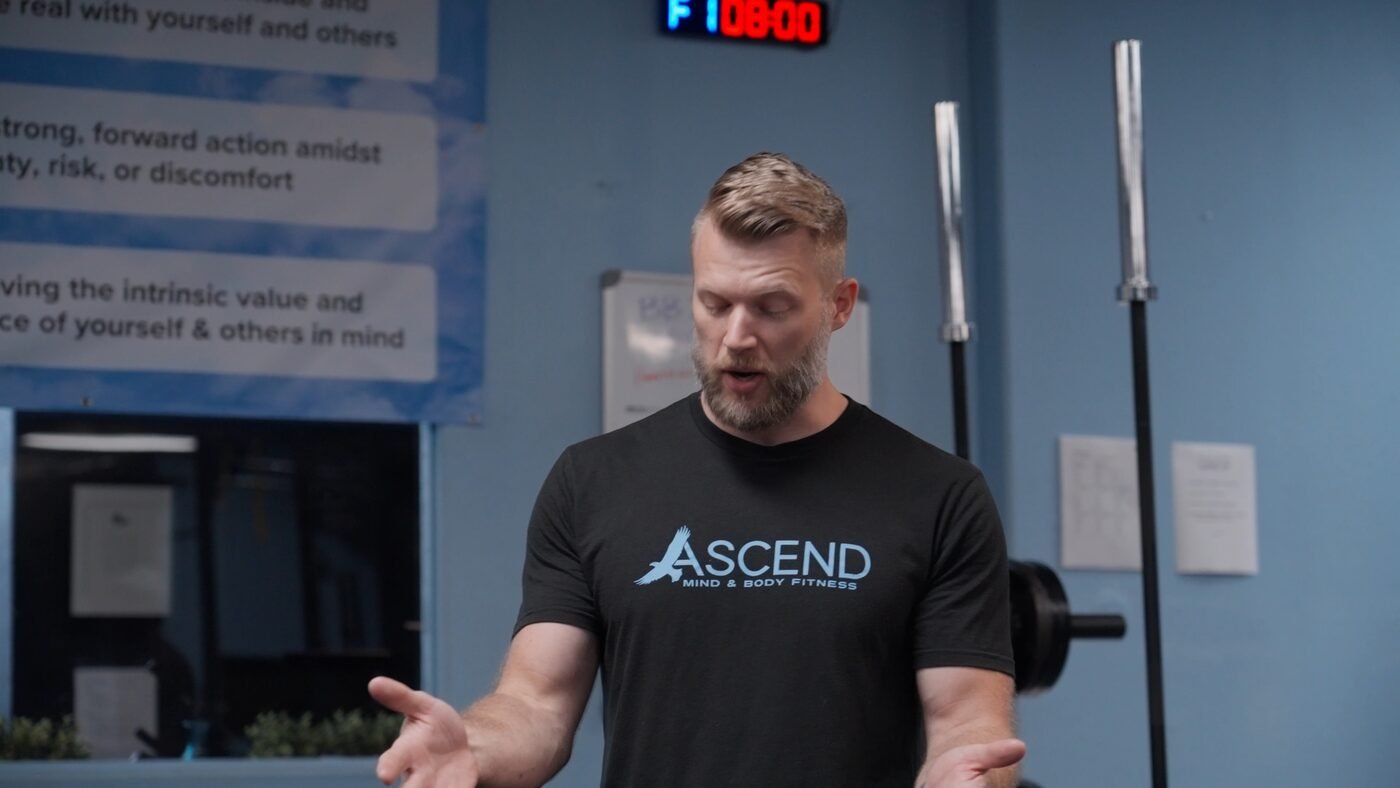
Why Authenticity Wins in 2026
Several converging forces have made authenticity a genuine competitive advantage rather than just a marketing platitude:
AI content saturation: The proliferation of AI-generated content means audiences are now swimming in technically competent but emotionally hollow material. Genuine human expression stands out with more contrast than ever.
Trust deficit: Consumer trust in advertising has been declining for decades. People are sophisticated enough to recognize performative authenticity, staged 'casual' content that's actually highly scripted, and they distrust it. Actual authenticity is increasingly rare and therefore increasingly valuable.
Service business dynamics: When you're asking someone to hire you for a significant service (a wedding videographer, a financial advisor, a home renovator), they're making a high-stakes decision based heavily on trust and personal fit. Video that shows the real you reduces the risk they perceive in that decision dramatically.
The Polish vs. Authentic Spectrum
This is not a binary choice. The most effective business video typically sits in the middle: technically competent enough to signal professionalism, human enough to build genuine trust.
Too polished: Corporate brand film with perfect lighting, teleprompter delivery, multiple location shoots, and zero personality. Technically impressive but emotionally distant. Viewers appreciate the quality but don't feel connected to the brand.
Too raw: Shaky phone footage, poor audio, no clear message, filming in a distracting environment. Feels more like an accident than intentional content. Signals lack of professionalism regardless of how genuine the person is.
The sweet spot: Clear audio, stable footage, good natural lighting, intentional framing, with a real person speaking conversationally, showing genuine enthusiasm, sharing specific opinions and stories that only they could share.
Curious what this looks like for your business?
Tell us about your project and get real answers back, not a canned pitch.
Free QuoteTypes of Authentic Video Content
Founder story: The honest account of why you started your business, the challenges you've faced, and what drives your work. This is the foundational authentic content for any small business.
Real client stories: Unscripted client interviews where the client speaks in their own voice about their genuine experience. The unpredictable, specific details are what make these compelling.
Process transparency: Show how you actually do what you do. The behind-the-scenes of your work process is fascinating to potential clients and demonstrates expertise simultaneously.
Honest opinion videos: Share a genuine perspective on your industry, common mistakes clients make, or things that frustrate you professionally. Opinion videos that express a specific point of view consistently outperform neutral, hedged content.

Getting Comfortable On Camera
The biggest obstacle to authentic video for most business owners is camera anxiety. The irony is that slightly nervous energy often reads as more authentic and relatable than slick, polished delivery, so perfection isn't the goal.
Practical techniques: Speak to a specific person you know rather than a hypothetical audience. Film in environments where you feel competent and comfortable (your workspace, a finished project site). Warm up before filming with a few minutes of conversation. Review early takes not to judge them but to understand what feels most natural. Film multiple short takes rather than one long continuous take that pressure you to be perfect throughout.
Why Production Standards Still Matter
Advocating for authenticity does not mean abandoning quality standards. Poor audio, shaky footage, and distracting environments actively undermine authenticity. They communicate carelessness rather than genuineness. The technical baseline of professional video exists to remove barriers to communication, not to impress audiences with production value.
Invest in a good microphone (the single highest-impact purchase for DIY video), a basic tripod or gimbal, and learn to use natural window light effectively. These three investments can produce technically acceptable video at very low cost.
Building an Authentic Video Brand
Authentic video content builds an authentic brand over time. Each video you publish where your genuine personality and values come through contributes to an accumulated impression of who you are as a business owner. Consistency of character, not just visual style, is what builds brand recognition and trust over months and years of content.
Measuring the Impact
Authentic video's business impact shows up in qualitative signals first: clients mentioning they 'feel like they already know you', shorter sales cycles with less resistance, inquiries that are pre-qualified because they've already watched your content and understand what you do. These signals appear before the quantitative metrics move, so watch for them as early indicators that your authentic video strategy is working.