The 2026 Video Marketing Landscape
Every year brings a new wave of video marketing predictions. Most are extrapolations of existing trends dressed up as revolutionary insights. After ten years producing video for small businesses, I've learned to filter the signal from the noise: to focus on what's actually changing client behavior and driving revenue rather than what's generating conference talk.
2026 is a year of consolidation rather than revolution. The major shifts of the past five years (short-form dominance, algorithm-driven distribution, mobile-first consumption) are now the established baseline, not trends. What's emerging is more nuanced: a backlash against low-quality AI content, a premium on authenticity, and a growing advantage for businesses that invest in consistent, genuine video over those chasing every platform and format.

Authenticity Outperforms Polish
This is the most important trend of 2026 and it runs counter to what many marketing agencies want to tell you: increasingly, well-produced but generic video underperforms authentic, slightly imperfect video that genuinely reflects the brand's personality and values.
The proliferation of AI-generated content has accelerated this shift. When audiences are exposed to unlimited quantities of algorithmically generated, perfectly formatted content, genuine human expression becomes scarce and therefore valuable. Your authentic voice, your real client stories, your actual work environment: these elements now differentiate more powerfully than production quality alone.
This doesn't mean production quality doesn't matter. It does. But the quality threshold is now about technical competence (clear audio, stable footage, proper exposure) rather than high-end production aesthetics. Get the basics right, then focus your energy on saying something real and specific.
Short-Form Continues to Dominate, But Depth Wins
Short-form video (under 60 seconds) still drives the most reach and discovery on social platforms. This isn't changing. But a new pattern is emerging: short-form content that functions as a gateway to deeper engagement (longer videos, website visits, email sign-ups) dramatically outperforms short-form content that tries to deliver everything in 30 seconds.
The businesses seeing the best results are treating short-form video as the top of a funnel, not the complete funnel. A 30-second Instagram Reel introduces a concept; a 10-minute YouTube video delivers the depth; the website converts. This two-layer approach builds both reach and relationship simultaneously.
Designing for Silent Viewing
A lot of video on social platforms is watched without sound. This is not a temporary behavior. It reflects how people actually consume content in public spaces, at work, and while multitasking.
Every business video produced in 2026 should be designed to communicate effectively without audio: captions on all dialogue, text overlays for key points, and visual storytelling that doesn't depend on narration for comprehension.
Curious what this looks like for your business?
Tell us about your project and get real answers back, not a canned pitch.
Free QuoteThe Rise of Founder-Led Content
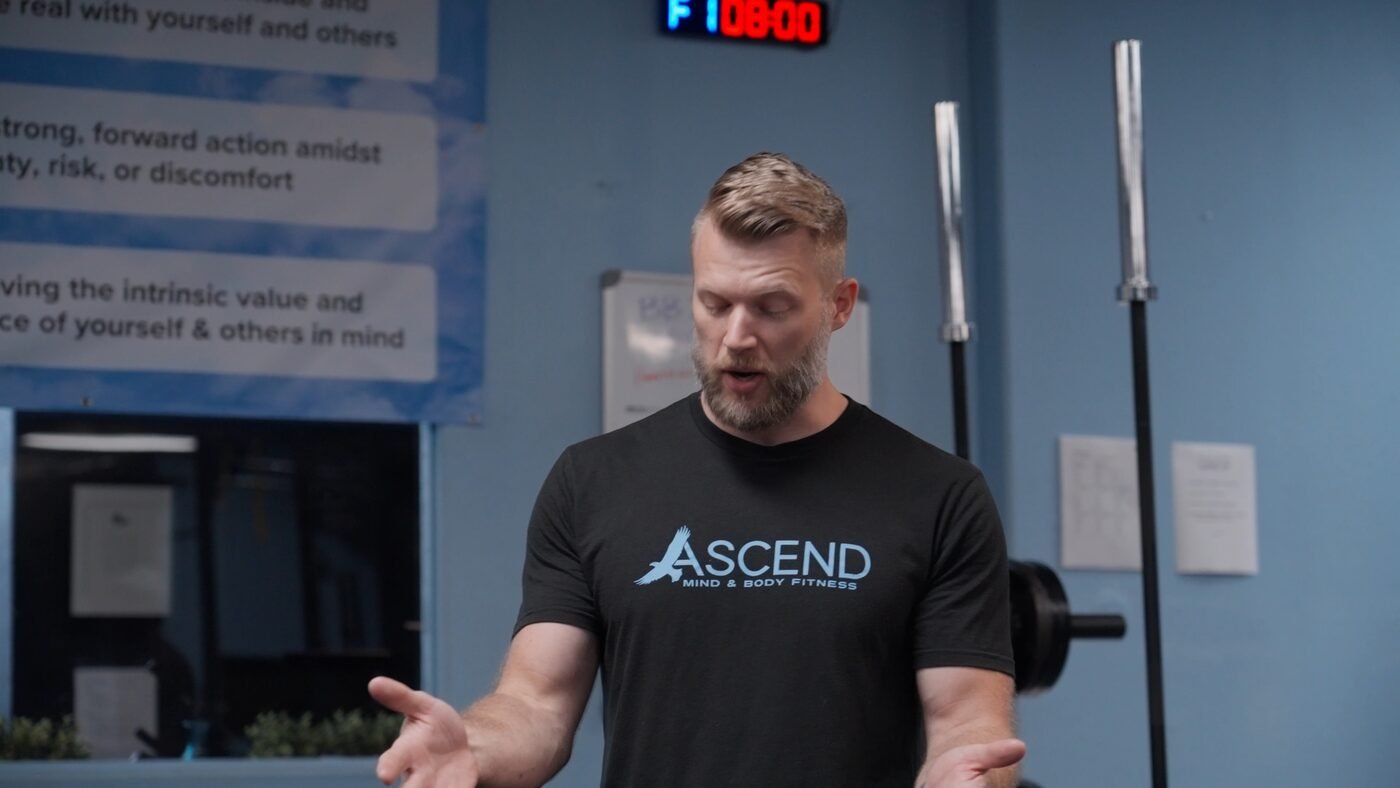
B2B and service businesses are discovering what direct-to-consumer brands learned earlier: content built around a specific human being consistently outperforms content published from a faceless brand account. Founder-led content, where the owner or key expert is the face and voice of the brand, is now one of the most effective content strategies available to small businesses.
This works because service businesses are fundamentally built on trust and relationships. When people can see and hear the person they'd actually be working with, including their communication style, their expertise, and their values, the decision to reach out becomes dramatically easier.
Video Integration in Email and CRM
One of the most underutilized trends of 2026 is using video within email marketing and CRM sequences. Adding a video thumbnail with a play button to a cold outreach or nurture email consistently increases reply rates. Video in email proposals reduces objections. Video follow-ups after sales calls dramatically increase the probability of a signed contract.
This doesn't require expensive technology. A simple video embedded in an email or a Loom recording attached to a proposal can generate significant ROI with minimal production investment.
Local Video SEO Becomes Critical
As Google increasingly surfaces video results for local search queries, businesses with video content optimized for local keywords will see growing organic traffic advantages. YouTube videos optimized for location-specific search terms are appearing in local pack results, Google Knowledge Panels, and featured snippets with increasing frequency.
This trend is still early enough that most local businesses haven't acted on it, creating a significant first-mover advantage for businesses that begin building locally-optimized video content now.
What to Ignore in 2026
Fully AI-generated video content: The technology has improved dramatically but it still clearly signals inauthenticity to most viewers, and the trust cost exceeds the production cost savings for most service businesses.
Chasing every new platform: Threads Video, BeReal, and whatever platform launches next quarter will all promise marketing potential. Master one or two platforms before expanding. Platform diversification before platform mastery is a trap.
Engagement bait: Content designed to generate comments and shares through controversy or manipulation rather than genuine value. Algorithm changes continue to reduce the reach advantage this approach once provided.
Building Your 2026 Strategy
The best video marketing strategy for 2026 is not the most complex one. It's the most consistent one. Pick two or three of the trends above that align with your business and audience. Build a realistic production cadence you can maintain for twelve months. Measure results quarterly and iterate. Businesses that show up consistently with genuine, quality content will win decisively over those that sprint and stop.