Why Video Builds Brand Faster
Brand building used to require massive ad budgets and years of slow accumulation. Video has fundamentally changed this equation. A single well-produced video can communicate your brand's personality, values, expertise, and aesthetic in under two minutes, something no text or static image can match.
Video engages more senses simultaneously: visual style, music or ambient sound, tone of voice, facial expressions, environment. This multi-sensory experience creates stronger memory encoding and faster trust-building than any other medium.
For small businesses competing against larger players, this is a genuine advantage. Authenticity and personality (things large corporations often struggle to convey) come through powerfully on video. A small business owner on camera can build more trust in 60 seconds than a polished corporate brand film with none of the human element.
Translating Brand Identity to Video
Before producing brand video content, clarify the visual and tonal elements that should appear consistently across every video:
Color palette: Your brand colors should appear in graphics, lower thirds, backgrounds, and even the environment you film in. If your brand is clean and minimal, avoid cluttered filming locations.
Typography: Use consistent fonts in any text overlays, titles, or subtitles. This is often overlooked but significantly impacts brand recognition.
Music and sound: Choose a consistent style of background music that matches your brand's personality. A luxury real estate firm and a youth sports camp need completely different sonic palettes.
Tone of voice: Whether you're direct and data-driven, warm and personal, or energetic and aspirational, your video tone should match your brand personality consistently across every piece of content.
Creating Video Content Pillars
Brand-building video content works best when organized around consistent themes or 'pillars' that reinforce your brand positioning:
Authority pillar: Videos that demonstrate your expertise: tutorials, behind-the-scenes process, educational content, industry insight. These establish you as the go-to expert in your field.
Story pillar: Videos that share your brand story, client transformations, or the 'why' behind your work. These create emotional connection and differentiation.
Social proof pillar: Testimonials, case studies, and results-focused content. These address objections and build confidence for prospects considering your services.
Culture pillar: Behind-the-scenes content, team features, day-in-the-life videos, or community involvement. These humanize your brand and attract clients who share your values.
You don't need to execute all four equally. Choose two or three that align with your brand positioning and your audience's needs, then produce content consistently within those pillars.
Curious what this looks like for your business?
Tell us about your project and get real answers back, not a canned pitch.
Free QuoteConsistency: The Hidden Driver
Most brand video strategies fail not because the content is bad. They fail because it's inconsistent. Brand building requires repeated exposure over time. A single great video doesn't build a brand; a steady stream of recognizable, quality video content does.
Consistency applies to multiple dimensions:
- Visual consistency: The same color treatment, filming style, and overall aesthetic across all videos
- Posting frequency: Publishing on a predictable schedule so your audience knows when to expect content
- Message consistency: Repeating your core positioning points across different videos so they become associated with your brand
- Quality consistency: Maintaining a minimum quality threshold, whether professional or documentary-style, so every video reinforces your brand standard
The brands that win on video aren't always the ones with the highest-budget productions. They're the ones who show up consistently, maintain a recognizable style, and stay committed to their content pillars over months and years.

Founder-Led Brand Video
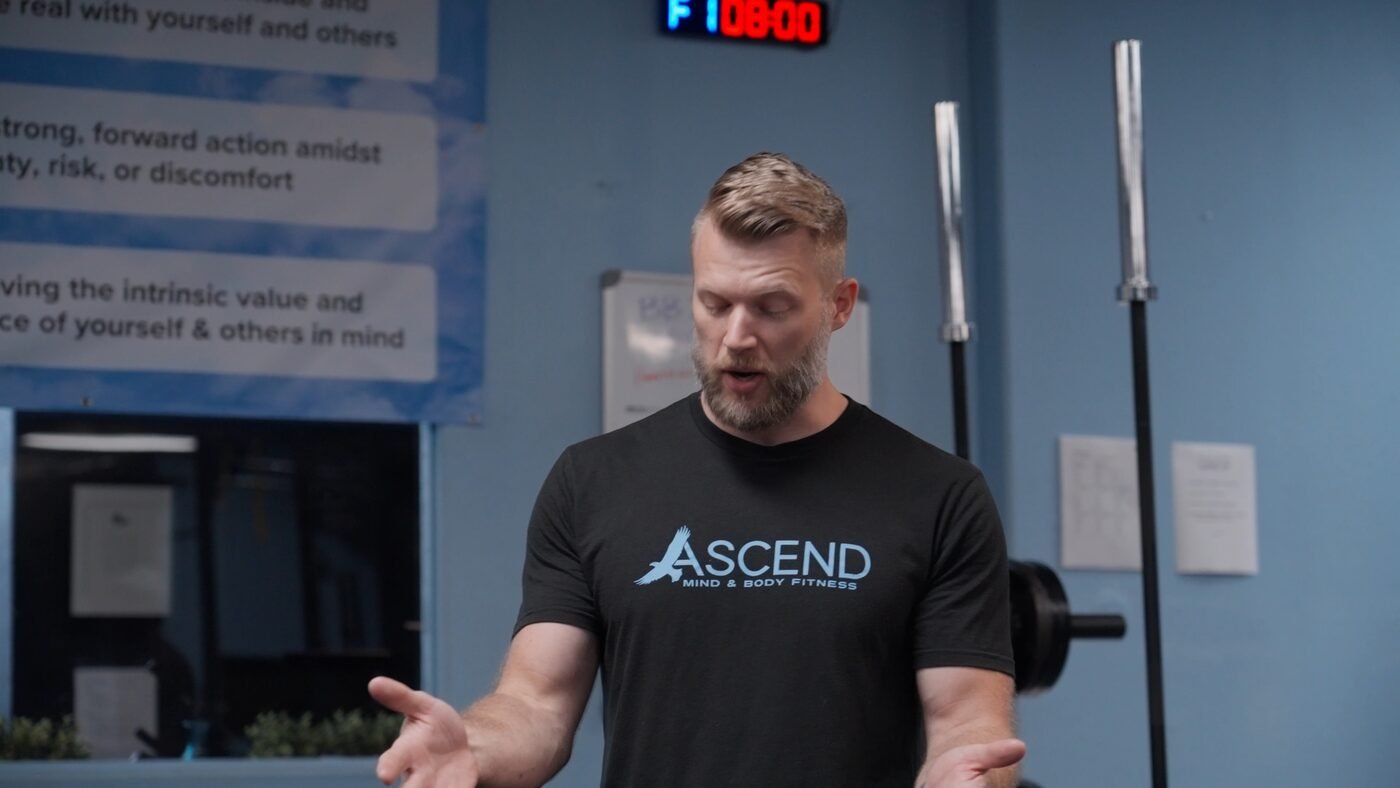
For small businesses, the founder is often the most powerful brand asset available. Founder-led video content creates personal connection that no amount of polished production can replicate.
Audiences want to know the person behind the brand: their story, their values, their expertise. When you appear consistently on camera, you build parasocial familiarity. People feel like they know you before they've ever met you, which dramatically reduces the sales friction.
This doesn't mean every video needs to be a talking-head piece. But incorporating your authentic presence, through narration, occasional appearances, or documentary-style coverage of your work, builds a human brand that large competitors struggle to match.
If you're hesitant to be on camera, start small: a 30-second Instagram story, a quick tour of your workspace, or a narrated process video. Comfort on camera grows with practice, and consistency matters far more than perfection.
Platform Strategy for Brand Building
Not all platforms serve brand-building equally. Choose your primary platform based on where your ideal clients spend the most time:
Instagram/Reels: Excellent for visually-driven brands targeting consumers. High discoverability via the algorithm means organic reach is still achievable with consistent, engaging content.
YouTube: The best platform for long-term brand authority. Videos compound in value over time and capture high-intent search traffic. Essential for service businesses with a content marketing strategy.
LinkedIn: Critical for B2B and professional services brands. Video content on LinkedIn generates significantly higher engagement than text posts for most industries.
Focus on mastering one platform before expanding. Consistent quality on one platform outperforms mediocre presence on three.
Measuring Brand Impact
Brand building is harder to measure than direct response advertising, but key indicators include: brand search volume growth (more people Googling your business name), follower growth and engagement rate trends, direct traffic to your website, and, most powerfully, qualitative feedback from new clients who say they 'felt like they already knew you' before booking.
Playing the Long Game
Brand building with video requires a six-to-twelve month commitment before you see meaningful results. The businesses that succeed are those who treat video as a long-term brand investment rather than a short-term lead generation tactic.
The compounding effect is real: each video adds to a growing library of brand touchpoints, each one reinforcing your positioning and building familiarity with new prospects. A year of consistent video content creates an asset base that works for your brand around the clock: attracting, educating, and converting prospects while you sleep.