Why Founders Need to Be On Camera
For most small and medium businesses, the founder is the brand. Clients aren't just hiring your service. They're hiring your judgment, your values, your expertise, and your personality. No amount of polished brand design or clever copywriting communicates these qualities as effectively as video of the actual person running the business.
Founders who appear regularly on video build faster trust, attract better-fit clients, and command stronger pricing. When a prospect watches you explain your approach on video before your first conversation, they arrive already believing in your expertise. That changes the entire sales dynamic.
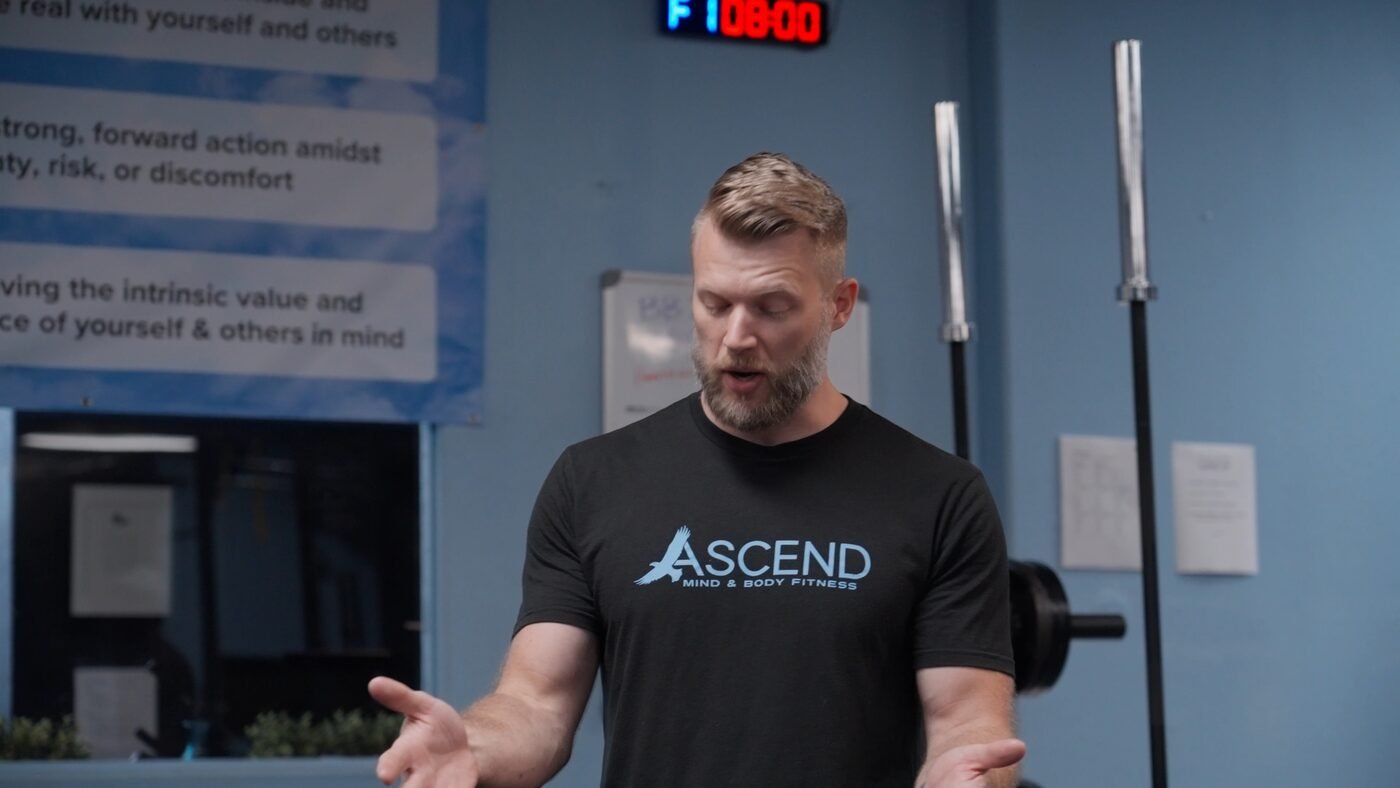
Understanding Camera Anxiety
Camera anxiety is nearly universal among first-time and early-stage video creators. Understanding its origins helps demystify it. Most camera anxiety stems from three sources:
Self-consciousness: Awareness of being watched and evaluated. This is amplified by the permanence of video: unlike a live conversation that ends, a video can be rewatched.
Unfamiliar physical state: Looking at a camera lens rather than a human face is deeply unnatural. Our brains interpret it as an evaluative gaze without reciprocal social feedback.
Performance pressure: The belief that being on video requires performance: a better, more polished version of yourself. This pressure creates the stilted, unnatural delivery that founders want to avoid but accidentally create by trying too hard to avoid it.
The good news: camera anxiety diminishes significantly with practice, and slight nervousness often reads as genuine engagement rather than incompetence to your audience.
Setting Up Your Environment
Comfort on camera begins before you press record. Your environment significantly affects your on-camera confidence:
Film in familiar places: Your office, your workshop, your home: environments where you feel competent and in your element. You'll naturally speak with more authority in spaces associated with your expertise.
Clean the background: Remove visual clutter from behind you. A busy background creates cognitive load for viewers and makes you appear less organized. Keep it simple and relevant to your brand.
Handle distractions in advance: Silence your phone, close notifications on visible screens, tell people nearby you're filming. Distraction anxiety compounds camera anxiety.
Get your audio right first: Poor audio is the technical issue that most undermines on-camera confidence. When you can't hear yourself clearly during playback, you focus on the technical problem rather than improving your delivery.
Want Help Capturing Your Best On-Camera Presence?
We create a relaxed, professional filming environment that helps business owners speak naturally and confidently, and we guide the conversation so you never have to memorize a script.
Free QuotePreparation Without Memorization
The most common on-camera mistake is trying to memorize a script. Memorized delivery almost always sounds memorized: stilted, unnatural, and less trustworthy than spontaneous speech. Prepare your video content through a different method:
Talk points, not scripts: Write down three to five key ideas you want to communicate, not word-for-word sentences. Then let yourself find the natural language in the moment.
Know your opening cold: The first sentence or two should be prepared. This gets you past the initial 'launching' anxiety and into your natural delivery rhythm.
Practice by talking, not writing: Record a rough version on your phone, listen to it, identify what felt unnatural, and record again. Improvement comes from spoken rehearsal, not additional writing.
Remember you'll be editing: You don't have to deliver a perfect take from start to finish. Knowing that mistakes can be cut removes enormous performance pressure.
Delivery Fundamentals
Talk to a person, not a camera: Place a photo of a specific person you know just above or beside your lens, and imagine you're talking to them. This simple technique produces dramatically more natural eye contact and conversational tone.
Pause deliberately: Silence feels longer to you than to your viewers. Deliberate pauses (between ideas, before important points) actually communicate confidence and mastery. Fast, breathless delivery signals anxiety.
Vary your pace: Slow down on important concepts. Speed up slightly during less critical transitions. Natural speech has rhythm; monotone delivery at a consistent pace is harder to follow and remember.
Physical energy matters: Sitting upright or standing naturally projects more energy and confidence than slouching. Slight physical animation (gestures that emerge naturally) helps channel nervous energy constructively.
Common On-Camera Mistakes
Reading from notes: If you're looking down at notes, you're not looking at the camera, and you're signaling that you haven't internalized your own expertise. Use notes as a nearby reference, not a script to read from.
Apologizing for imperfections: 'Sorry, let me start that again' should be cut in editing, not said on camera. Self-deprecating acknowledgment of mistakes actually makes them more noticeable, not less.
Over-explaining: Trust your audience to understand your message. Most first takes run significantly longer than necessary because anxiety drives over-explanation. Say what you mean once, clearly and specifically, then stop.
Building Confidence Over Time
Camera confidence is a skill, not a talent. It develops through consistent practice. Commit to filming something every week for 90 days, even if you never publish most of it. Review your early recordings and track specific improvements. Celebrate small wins: getting through a take without stopping, speaking at a more comfortable pace, making better eye contact than last time.
Stick with regular on-camera practice for three months and your 30th video will likely feel far more natural to film than your first five did.
When to Hire a Videographer
For self-produced social content, developing your on-camera skills and filming independently is completely appropriate. But for major brand videos, client testimonials, case study productions, and promotional content where the quality stakes are higher, hiring a videographer is worth the investment. A good videographer creates an environment where you naturally perform your best, handles all the technical challenges, and guides the conversation so you never feel like you're performing alone.