Video marketing works. But understanding why it works (the psychological mechanisms driving its effectiveness) is what separates businesses that produce video from businesses that produce video that converts. Psychology is the operating manual for persuasion, and every effective marketing video is, intentionally or not, a psychological document.
The mechanisms aren't mysterious or manipulative. They're the same psychological processes that drive all human decision-making: trust, emotion, social proof, narrative processing, and cognitive ease. Video activates all of these simultaneously in a way that text, images, and audio alone cannot.
For a business owner trying to make better decisions about what kind of video to produce, understanding these mechanisms is practically useful. It explains why testimonials outperform talking-head promotions, why story structure matters more than production quality, and why authenticity converts better than polish.
Video and the Attention Economy
The human visual system evolved to notice motion. Moving images capture attention involuntarily, before the conscious mind decides whether to engage. This is why video autoplay in social media feeds is so effective: the moving image triggers an involuntary attention response that static content cannot. For marketers, this means video gets a first look that other content formats must work much harder to earn.
Once initial attention is captured, retention is driven by curiosity and expectation. The human brain is pattern-completion machinery: once a narrative begins, it wants to see it completed. Well-structured video content exploits this by creating expectation (we're going to show you something you need to know) and then satisfying it systematically.
How Video Builds Trust at Scale
Trust in humans is primarily built through repeated exposure, demonstrated competence, and social evidence. In-person relationships build trust quickly because we receive multiple trust signals simultaneously: tone of voice, facial expression, body language, eye contact, consistency. Video replicates many of these signals in a way that text cannot.
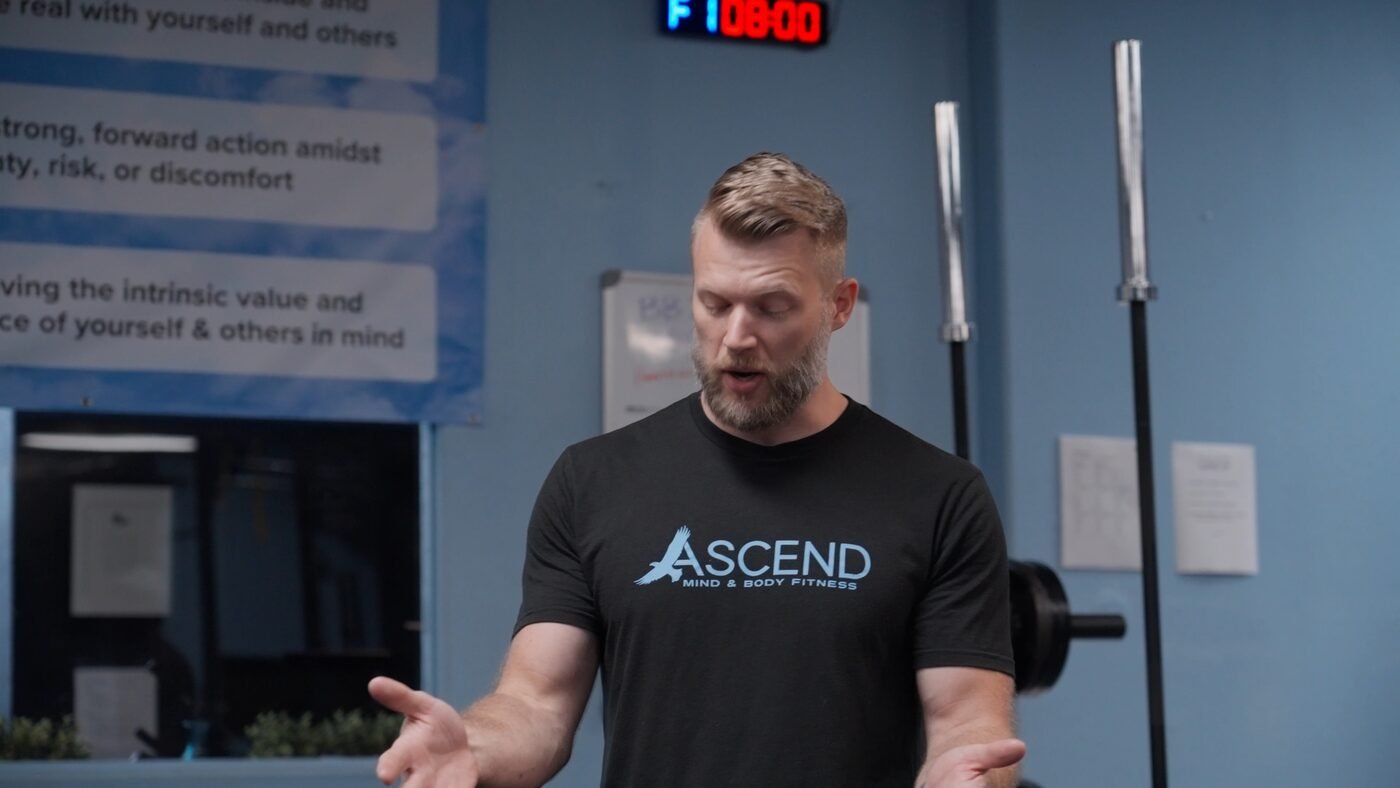
When a viewer watches a founder or team member on camera, they're not just receiving information. They're unconsciously evaluating trustworthiness through the same cues they use to evaluate people in person: does this person seem genuine? Competent? Consistent with what they claim? Does their demeanor match their words? These evaluations happen automatically, below conscious awareness, and they drive trust formation faster than any amount of written credentialing.
Curious what this looks like for your business?
Tell us about your project and get real answers back, not a canned pitch.
Free QuoteTakes 2 minutes. No pressure, no obligation.
Emotion as the Engine of Purchase Decisions
Decades of neuroscience research have established that emotion is not the opposite of rational decision-making. It's the fuel that drives it. Patients with damage to the emotional processing regions of their brain lose the ability to make decisions, even simple ones. Emotion creates preference; logic justifies it afterward.
This has profound implications for video marketing. The videos that convert are not the ones with the most facts, specifications, and features. They're the ones that make the viewer feel something: relief (this product solves my problem), aspiration (this brand represents who I want to be), connection (this company understands me), or trust (I'm in good hands with these people). Emotion creates the purchase impulse; the rational review of features confirms it.
The Social Proof Effect in Video
Social proof, the tendency to look to others' behavior and choices as a guide for our own, is one of the most powerful psychological mechanisms in marketing. When people are uncertain, they default to the behavior of people like them. Video social proof activates this mechanism more powerfully than written testimonials because video is more credible: it's harder to fake, it includes nonverbal cues that indicate authenticity, and it creates parasocial identification between the viewer and the testimonial subject.
A customer testimonial video where the speaker is credible, specific, and emotionally authentic triggers social proof responses that written reviews cannot. The viewer identifies with the testimonial subject, evaluates their experience as representative of what they might expect, and uses that evaluation to reduce their own purchase uncertainty.

Story Structure and Persuasion
The human brain is uniquely receptive to narrative. When we're told a story, our brains sync up with the storyteller's, a phenomenon neuroscience researchers call "neural coupling." This synchronization means that story-based video content literally puts the viewer inside the experience being described, creating identification and emotional investment that lecture-style content cannot.
The most persuasive video structure for business marketing follows the story arc: establish a character (ideally the customer, not the brand), identify their problem or desire, show the obstacle or tension, introduce the resolution (your product or service), and conclude with the transformation. This is the structure of every compelling movie, every effective case study, and every customer testimonial that actually converts.
Cognitive Ease and Why Simple Videos Often Win
Cognitive ease, the experience of processing information effortlessly, triggers positive feelings. We like things that are easy to understand. We trust information that comes easily. We're suspicious of things that feel difficult or confusing. This psychological principle explains why simple, clear, well-paced video content often outperforms complex, dense, or technically sophisticated productions.
A straightforward talking-head video where a knowledgeable person explains something clearly often outperforms a highly produced explainer with complex animation, because cognitive ease creates positive evaluation automatically. Your audience isn't looking to be impressed by production complexity. They're looking to understand something clearly and quickly.
Applying Psychology to Your Video Production Decisions
The practical applications: lead with emotion before logic, let customers tell your story instead of telling it yourself, make your content as cognitively easy to process as possible, use specific numbers, names, and situations instead of vague claims to increase credibility, and show faces rather than logos whenever possible because faces activate human trust circuitry that logos cannot.
None of this requires expensive production. The most psychologically effective business videos are often simple: a genuine person on camera, speaking honestly about something real, to an audience that shares the problem being addressed. That formula has been working for human communication since the first storyteller gathered an audience around a fire. Video just lets you do it at scale.