After ten years of making videos for businesses, I'm sure of one thing: the agents using video aren't just selling homes faster. They're attracting better clients, commanding more confidence in listing presentations, and building the kind of brand equity that makes referrals automatic.
I've also watched plenty of agents dabble in video (a shaky iPhone walkthrough on Instagram here, a blurry Facebook Live there) and wonder why it isn't moving the needle. The problem is almost never the camera. It's the strategy.
This guide covers everything: what kinds of video actually work at each price point, what goes into a professional shoot, how to use video on social media without wasting your time, and what real estate video actually costs from a Central Florida videographer who knows this market.
Why Real Estate Video Marketing Works (and Why Most Agents Are Doing It Wrong)
The stats on real estate video are overwhelming. The NAR has been publishing them for years, and they keep getting more dramatic, not less. We're past the point of debating whether video matters in real estate. Every agent who's paying attention already knows it does.
What most agents are getting wrong isn't the decision to use video. It's the execution. They're treating every listing like it needs the same video. They're posting to the wrong platforms with the wrong format. They're creating listing content and ignoring brand content entirely. And almost none of them have a distribution strategy beyond "post it and hope."
Here's what separates agents who actually grow their business with video from agents who just have video: intentionality. The right video for the right property on the right channel with a consistent posting cadence.
Central Florida's real estate market makes this especially important right now. We're in a market where Orlando, Lake Nona, and Winter Park are seeing sustained demand from out-of-state buyers, particularly from the Northeast and California, who are making purchasing decisions remotely. These buyers are spending serious time on YouTube, Zillow, and Instagram before they ever set foot in the state. If your listings don't have compelling video, you're invisible to a massive portion of your potential buyer pool before the conversation even starts.
And Windermere? Isleworth? The luxury corridor along Butler Chain of Lakes? Those buyers aren't from the market at all. They're researching from New York, Chicago, and London. A static photo gallery simply doesn't close the psychological distance. A cinematic walkthrough does.
The real opportunity: Most agents in your market are still posting mediocre video or no video at all. If you commit to consistent, professional video production at even 2 to 3 listings per month, you'll stand out immediately, not just to buyers, but to sellers evaluating listing agents.
The 5 Types of Real Estate Video Every Agent Needs
Not all real estate video is the same, and treating it like a monolith is one of the biggest mistakes I see. There are five distinct video types that serve different functions in your marketing, and understanding how they work together is the foundation of a real strategy.
1. The Listing Walkthrough
This is the bread and butter: a dedicated video for a specific property designed to make buyers feel the home before they step inside it. The goal isn't just to show rooms. It's to make someone watching from an apartment in Boston believe they could live there. Listing walkthroughs come in two flavors: social-first (60 to 90 seconds, optimized for Reels and TikTok) and feature-length (2 to 4 minutes, built for YouTube and MLS embeds).
2. The Drone Aerial
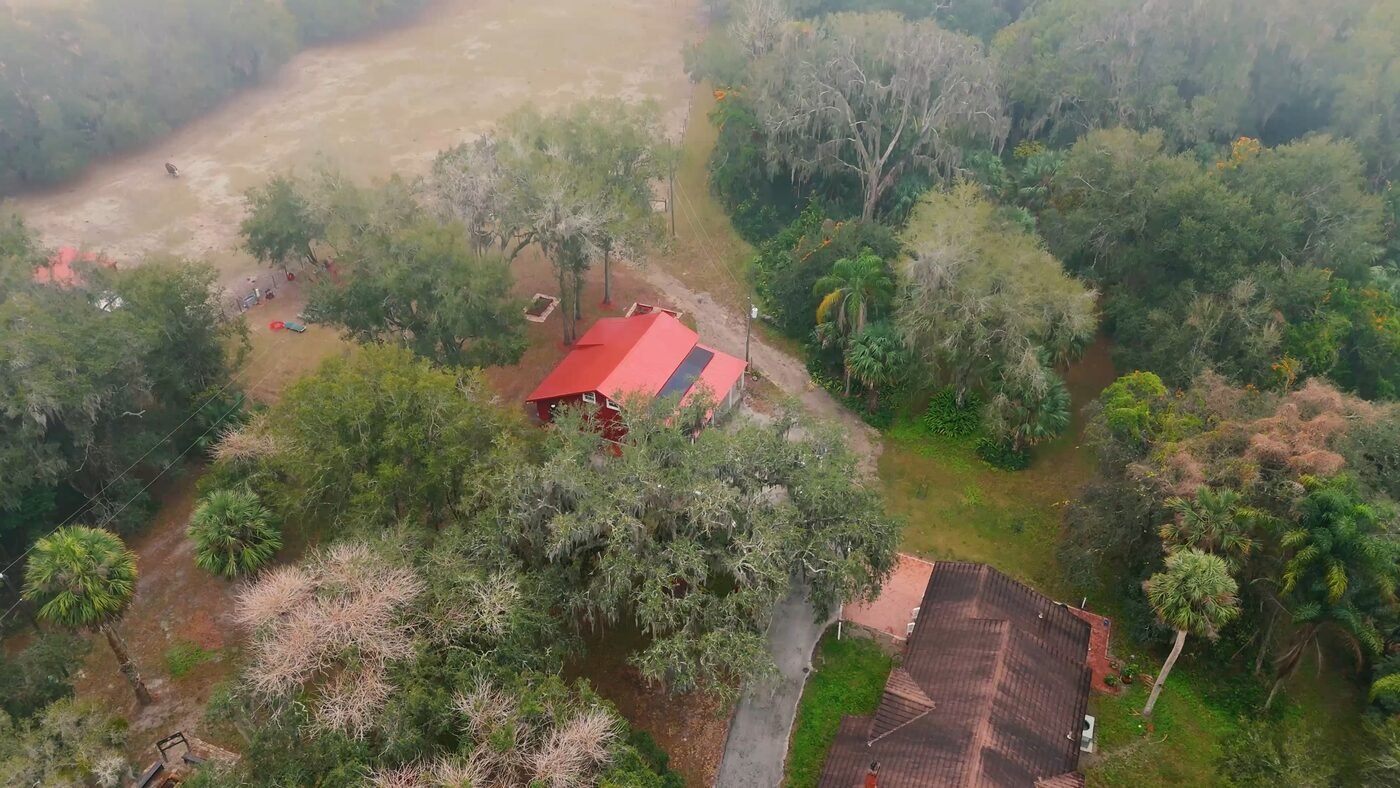
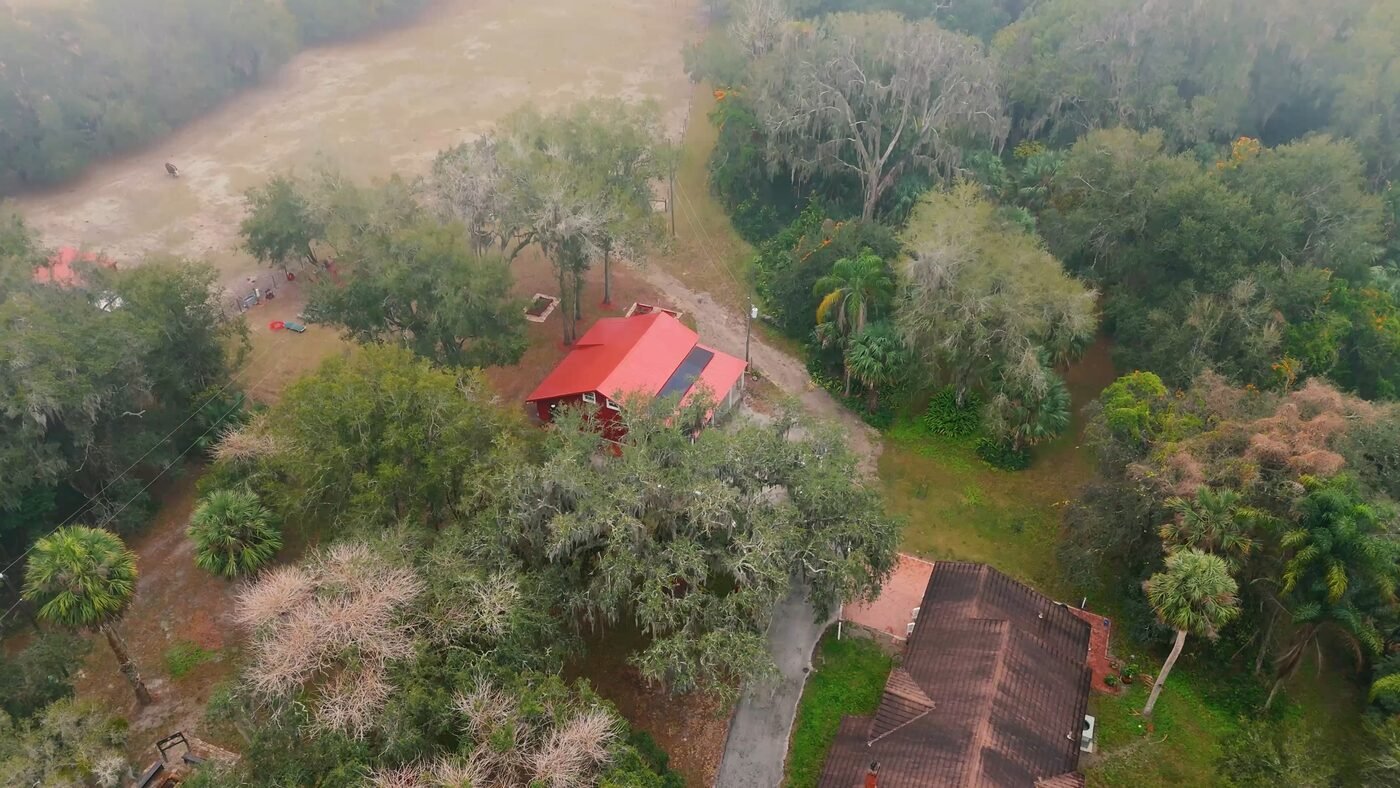
Aerial footage has moved from luxury add-on to standard expectation in the Central Florida market, especially for anything above $400K. Buyers want to understand the lot, the neighborhood relationship, the proximity to water, and the surrounding area. A neighborhood aerial in Lake Nona communicates medical city proximity, the USTA facility, and community walkability in a way no ground-level shot can match. For coastal properties like New Smyrna or Daytona, drone work isn't optional. It's the whole story.
3. The Agent Introduction Video
This is the most underutilized tool in real estate video. A 60 to 90 second introduction (who you are, how you work, why Central Florida, what your clients experience) posted to your profile, your website, and sent to every new lead before the first call. The payoff shows up fast: prospects arrive warmer, trust is already partially built, and the listing presentation goes faster. It's the most leveraged 90 seconds in your marketing.
4. The Neighborhood/Community Video
Out-of-state buyers want to understand the neighborhood as much as the house. A 60 to 120 second community video covering local restaurants, proximity to major employers, school zones, and lifestyle amenities works as evergreen content that lives on your YouTube channel and converts for years. Done well, a neighborhood video keeps earning its place in listing presentations for years.
5. The Testimonial/Client Story Video
Social proof in motion. A 45 to 90 second video of a past client describing their experience with you (filmed properly, not on someone's phone in their kitchen) functions completely differently than a written review. It lands emotionally. It builds the kind of trust that written reviews can't replicate. One well-produced client testimonial video, distributed consistently across social channels, can do more for your referral pipeline than a dozen Zillow reviews.
Which Video Style Fits Your Property?
Matching the production approach to the property's price point isn't about cutting corners on cheaper homes. It's about investing intelligently. A $350K starter home in Deltona doesn't need a full cinematic production. It needs a tight, energetic social-first video that moves fast and hits the key selling points. A $3M Windermere estate needs something completely different. Use this tool to find the right fit.
- Exterior with curb appeal
- Kitchen and living areas
- Primary bedroom & bath
- Backyard / outdoor space
- Neighborhood highlight
- Instagram Reels
- Listing syndication sites
- MLS embed
- Aerial exterior
- Interior room-by-room with movement
- Kitchen detail shots
- Primary suite feature
- Outdoor living area
- Neighborhood aerial
- YouTube
- MLS embed
- Listing page embed
- Cinematic drone approach
- Golden hour exterior
- Lifestyle staging with movement
- Detail / luxury finishes
- Pool / outdoor living
- Neighborhood amenities
- YouTube
- Zillow listing embed
- Dedicated listing page
- Cinematic opening sequence
- Lifestyle narrative with talent
- Architectural detail close-ups
- Sunrise / sunset golden hour exterior
- Interior cinematic lighting
- Aerial views at multiple altitudes
- Dedicated listing website
- YouTube
- Luxury listing portals
- Agent branding channels
- Foundation / framing progress
- Interior milestone reveals
- Model home walkthrough
- Community amenities
- Builder brand story
- YouTube series
- Builder / agent website
- Social media campaign
- Email list nurture
What Goes Into Filming a Listing Video
Most agents picture a videographer showing up with a camera, walking through the house, and leaving. The reality of a professional listing shoot is considerably more involved, and understanding what's actually happening will help you prepare your sellers and set the right expectations.
Before the Shoot: Pre-Production
A good listing shoot starts days before anyone arrives with a camera. That means reviewing the MLS listing, talking to you about the property's key selling points, determining the optimal time of day for exterior light given which direction the house faces, and planning the shot sequence so we move efficiently through the home without backtracking. For a luxury listing, we also do a pre-shoot call on staging, light and the story of the home.
Seller prep matters enormously. The most common problems I encounter on listing shoots: cars in the driveway, garden hoses visible, personal photos crowding shelves, small kitchen appliances cluttering counters, and toilet lids up. Every one of those adds time or forces workarounds in post. Send your sellers a prep checklist before the shoot. It makes a real difference in the final product.
The Shoot Day
For a standard listing video, expect 2 to 4 hours on-site depending on square footage and complexity. That includes setting up lighting (yes, even on a sunny day: window light blows out without fill), capturing each room with deliberate movement and composition, shooting the exterior, capturing the backyard and any outdoor living features, and getting the drone footage if included. Rushed shoots produce rushed-looking video. I won't do a 90-minute walkthrough on a 4,000-square-foot home.
The equipment that goes into a professional listing shoot isn't what buyers see in those iPhone walkthroughs. We're talking cinema-grade cameras, motorized stabilization for smooth movement through doorways and hallways, professional LED lighting to balance interior and exterior exposure, and a licensed drone operator for aerial work. All of that is in service of making the property look the way a skilled photographer would compose it, but in motion.
Post-Production: Where the Work Actually Happens
Editing a listing video isn't just cutting footage together with a music track. It's color grading so the kitchen whites look crisp instead of yellow, it's matching exposures across shots taken at different times of day, it's choosing music that matches the energy and price point of the property, it's pacing the edit so it moves at the right rhythm: fast enough to hold attention, deliberate enough to let the space register. For a standard 2-minute listing video, expect 6 to 12 hours of post-production work. For a cinematic luxury production, that number can triple.
Curious what this looks like for your business?
Tell us about your project and get real answers back, not a canned pitch.
Free QuoteTakes 2 minutes. No pressure, no obligation.
Agent Brand Videos: The Long Game Most Agents Skip
Listing videos sell houses. Agent brand videos sell you. And here's the thing most agents don't realize until they've been in the business for a decade: the house you're selling today will close and disappear from your marketing. The brand you're building now compounds for years.
Your brand is what other people say about you when you're not in the room.
The pattern is easy to see. Agents who invest in brand video stop competing on commission and start competing on reputation. Those are very different sales conversations.
What Agent Brand Video Actually Includes
This isn't a headshot with a mortgage calculator in the background. Done well, agent brand video is a collection of assets that works across your entire marketing ecosystem:
- Agent introduction video (60 to 90 sec): Your who, your why, your approach. This is the first video a cold lead sees. It should feel authentic, not scripted to death.
- Process video: What does working with you actually look like? Walk buyers and sellers through your process in 2 to 3 minutes. This eliminates half the questions on a first consultation call.
- Market update series: A monthly 2 to 3 minute video covering what's happening in your specific market: inventory levels, price trends, what buyers are asking about. This positions you as the local expert and gives you consistent content to post.
- Client testimonial videos: 45 to 90 seconds, filmed properly, with a client talking about the experience of working with you. These are the most trusted form of marketing content in existence. A text review is skimmed. A video testimonial is watched and believed.
- Neighborhood spotlight series: If you focus on specific communities, say, the Lake Nona area or the Celebration corridor or the Sanford historic district, neighborhood videos establish your local authority in a way nothing else can.
The agents who grow fastest tend to do at least two brand touchpoints a month alongside their listing content. They're not just selling homes. They're building an audience that will call them first when they're ready to move, and refer their friends without being asked.
The Compounding Math of Brand Video
A listing video has a shelf life: the listing closes, and the video's purpose is done. A brand video you post this January is still working next year, building trust with people who find it through search or through a referral who shares it. That's not how a direct mail piece works. It's not how a Zillow ad works. Video compounds over time in a way almost no other real estate marketing channel does.
Social Media Strategy for Real Estate Video
Having good video is half the battle. Knowing where to put it, how to format it, and how often to post is the other half. This is where most agents fall apart: they invest in a great listing video and then post it once, get 300 views, and decide video isn't worth it. That's not a video problem. That's a distribution problem.
Platform-by-Platform Breakdown
Instagram Reels and TikTok: These platforms favor vertical video, short run times (15 to 60 seconds works best), and emotional hooks in the first three seconds. Listing walkthroughs should be cut to social-first format for these channels, not just posted in landscape and cropped. The algorithm rewards native content, and a landscape listing video posted vertically looks amateurish and gets buried. Key for: under $600K listings, market update clips, quick agent tips, community highlights.
YouTube: This is your long-game platform and the one most real estate agents dramatically underinvest in. YouTube is the second-largest search engine in the world, and people searching "homes for sale Lake Nona" or "Winter Park neighborhoods" are often beginning their buyer journey there. A consistent library of neighborhood videos, listing walkthroughs, and market updates on YouTube generates organic leads for years after you post them. It's the only platform in the social ecosystem that actively indexes and surfaces your content to people who weren't already following you.
Facebook: Still highly relevant for the 35 to 65 buyer demographic and for seller audiences. Facebook's ad targeting makes it the best paid distribution channel for real estate video: a well-produced listing video boosted to a geographic and demographic target around a specific listing can drive inquiry volume that organic alone never would. Facebook Live tours also generate strong engagement for the 45+ audience segment.
LinkedIn: Underutilized by most agents but valuable if you work with relocation clients or corporate transfers. A strong market update video or agent introduction on LinkedIn reaches professionals who are actively evaluating moves and carry significant purchasing power.
Posting Cadence That Actually Works
A cadence that works, at a minimum: two to three listing or community clips per week on Instagram and TikTok, one longer-form YouTube video per month, and one or two Facebook posts per week. That cadence sounds like a lot until you realize a single well-planned shoot day can produce 6 to 10 cut-down social clips in addition to the main listing video. You don't need to be constantly filming. You need to be consistently distributing what you've already filmed.
The single biggest mistake agents make on social: Posting a listing video with no hook. The thumbnail and first three seconds are everything. "Beautiful 4-bedroom home in Lake Mary" is not a hook. "This kitchen was the reason they made an offer in 24 hours" is a hook. Consult on this with your videographer during post-production. A good editor will know how to structure the cut for social performance.
Real Estate Video ROI Calculator
The most common objection I hear from real estate agents about video isn't about the quality or the strategy. It's about the math. "Can I actually justify this expense?" So let's run the numbers together.
The calculator above uses conservative assumptions. In practice, the ROI of video compounds over time because your content library keeps working. A listing video posted in January is still surfacing in search results in December. A brand video filmed this year will still be influencing listing presentations in 2028. The year-one ROI you calculate above will likely look modest compared to what years two and three deliver from the same content.
What Real Estate Video Production Costs in Central Florida
I'm going to give you actual numbers here, not ranges so wide they're useless. Here's what real estate video costs with me in 2026. Every price is also on my real estate pricing page.
Listing Videos
Listing Film: $1,499 per property. A 60 to 90 second cinematic walkthrough, MLS and YouTube ready, with drone exteriors, neighborhood context and 3 vertical cuts for Reels, TikTok and Stories. Delivered within 5 business days, with one revision round.
Luxury Listing Film: $2,999 per property. For the listing that sets your price point: a 2 to 3 minute film with an agent-led walkthrough, twilight, drone and interior detail passes in one visit, 6 vertical cuts and a 30-second teaser for ads. Delivered within 7 business days, with two revision rounds.
Monthly Retainers
Agent: $2,499 a month. One filming session a month gives you 8 short videos (market updates, neighborhoods, buyer and seller tips) plus 1 listing film, posted to your accounts for you.
Team: $4,999 a month. 12 short videos across the team, 3 listing films and 1 long-form neighborhood or market piece every month, posted across every agent's accounts.
Want to see the work first? The 3-Video Shoot is $999: one hour with you on location and three finished videos within 7 days. Brokerage, builder and development projects get a written quote.
The Honest Comparison
I want to put these numbers in context. A full-page print ad in a local real estate magazine is obsolete the moment it's published, and paid lead subscriptions charge you again every single month. A Listing Film is $1,499 and works every single day the listing is active, then keeps working for your brand after it closes. The math isn't complicated. It's just that most agents are still allocating their marketing budget the way it was allocated fifteen years ago.
How to Get Started With Video as a Real Estate Agent
The most common mistake is trying to do everything at once. You don't need a full video library on day one. You need one strong asset that proves the concept and one clear commitment to follow through.
Step 1: Start with Your Agent Introduction Video
Before your next listing, before any social strategy, film a 60 to 90 second agent introduction video. Get it on your website, your Instagram profile, your Facebook page, and in your email signature. Send it to every new lead before the first call. This single asset will change the quality of your first conversations immediately. You'll arrive not as a stranger but as someone they've already seen, heard, and begun to trust.
Step 2: Pick Your Next Two Listings for Professional Video
Choose two upcoming listings and commit to professional video for both. Not iPhone video with a stabilizer. Professional production. Compare the inquiry volume, the showing activity, and the time on market against your last two listings without video. That comparison will tell you everything you need to know about whether to continue.
Step 3: Build a Consistent Posting System
Video without distribution is a tree falling in an empty forest. Before your first video goes live, decide: where will it go, when will it post, and who is responsible for posting it? If you don't have a VA or a marketing team, set up a simple repeating calendar reminder the day after each delivery: post to Instagram, post to Facebook, upload to YouTube, embed in the MLS listing. That system, run consistently, is what compounds into results.
Step 4: Commit to a Production Partner, Not a Vendor
The agents who see the best ROI from video aren't shopping for the cheapest option on every listing. They build a working relationship with a videographer who understands their brand, knows their market, and can turn around content at the pace their business requires. That relationship means consistency: consistent quality, consistent pacing, consistent feel across your entire library. That consistency is what builds brand recognition over time.
If you're in Central Florida and you're ready to have that conversation (about your specific price points, your target neighborhoods, your brand positioning, and what a realistic video strategy actually looks like for your business), reach out. We'll build the strategy together.