Most startups think they can't afford video. The ones that are actually winning think about it the exact opposite way: they can't afford to skip it. I've worked with businesses at every stage — from pre-revenue founders shooting out of their spare bedroom to growth-stage companies trying to scale what's already working. The constraint isn't always budget. Sometimes it's knowing where to start. This guide is built to answer that.
I've produced over 1,000 videos for businesses across Central Florida over the past decade. That includes a lot of startups — some that got their video strategy right early and rode it to real growth, and some that burned money on the wrong things at the wrong time. What I've learned from watching both is that the startups that win with video aren't the ones with the biggest budgets. They're the ones that understand what to make, and when, and why.
Why Startups Actually Have an Advantage with Video
Here's something the big brands can't buy: authenticity. And in video marketing, authenticity is worth more than any production budget. As a startup, you have a founding story that's actually interesting. You have a reason you started that most established companies have long since polished into corporate-speak. You have a founder who's still in the room, still passionate, still willing to look at a camera and tell the truth about why they built this thing.
The companies doing $50M a year in revenue have marketing departments, brand guidelines, and legal review processes that strip every rough edge off every piece of content they produce. You don't have any of that. What you have is the ability to move fast, speak directly, and show your audience who you actually are — before you become a brand that has to be managed.
The research consistently shows that audiences respond to video content that feels human over content that feels produced. A Harvard Business School study on early-stage consumer behavior found that "founder storytelling" — video where the founder explains the problem they experienced and why they built the solution — outperforms polished corporate video on conversion metrics at the top of the funnel in 7 out of 10 cases. You have exactly what top-of-funnel content needs. You just have to capture it.
There's also a timing advantage. You're building your brand before it's calcified. Every video you produce now is shaping what people think of when they hear your name. A startup that commits to consistent, authentic video content in its first two years builds a kind of trust equity that is genuinely hard to replicate later — when the founder is less accessible, the team is bigger, and everything has to go through approvals. This is the window. The constraint isn't that you don't have enough money for video. The constraint is not knowing which video to make first.
"The biggest risk is not taking any risk. In a world that is changing really quickly, the only strategy that is guaranteed to fail is not taking risks."
The other startup video advantage that almost nobody talks about: you're not competing against yourself yet. A company that has been in business for fifteen years has customers who expect continuity. They have brand DNA that can't be messed with. You're a blank slate. You can test what resonates, iterate fast, and build an audience that grows with you. The cost of a failed video experiment at the startup stage is almost zero. The cost of never building a video presence is enormous — compounding invisibility that gets harder to reverse with every passing quarter.
The Biggest Startup Video Mistakes (That Kill Budgets)
Before we get to what to do, let's be clear about what not to do — because these mistakes are common, expensive, and almost entirely avoidable. I see them repeatedly from startups across Central Florida and beyond, from pre-seed teams in Deltona to Series A companies in the Innovation District in downtown Orlando.
Mistake 1: Overproducing Before You Have Proof
The most expensive mistake a startup can make with video is investing heavily in production before they've validated the message. I've met founders who spent $8,000 on a brand video before they had a single paying customer. The video looked great. It also communicated nothing specific, because they didn't yet know what made their customers actually buy. Don't produce expensive video until you know what story converts. That knowledge comes from sales conversations, early customer interviews, and smaller content experiments — not from a production company.
Mistake 2: Being on Every Platform Immediately
You do not need a YouTube channel, an Instagram presence, a LinkedIn strategy, a TikTok account, and a podcast all at once. You need to be excellent in one or two places. The startup teams that spread themselves across every platform end up producing mediocre content everywhere and building an audience nowhere. Figure out where your customers actually spend time — and where they're making buying decisions — and go deep there before you expand. A single well-executed YouTube channel or LinkedIn content strategy will outperform five half-hearted ones every time.
Mistake 3: Treating Video as a One-Off Instead of a System
Posting one video and waiting to see if it "goes viral" is not a video strategy. Video builds trust through consistency and volume. Prospects who see your content three, five, ten times before they ever talk to you arrive at that conversation with a completely different level of familiarity and trust than cold prospects. The compound effect of consistent video over six months is dramatically larger than the impact of any single video, no matter how well-produced. The system matters more than any individual piece.
Mistake 4: Wrong Platform for the Video Type
A three-minute brand explainer video doesn't belong on TikTok. A casual 30-second social proof clip doesn't need to be on your homepage. Every video type has contexts where it works and contexts where it fails. Filming the right video and putting it in the wrong place is almost as bad as not filming it at all. Platform-content fit is a real thing, and getting it wrong is a silent budget killer — you'll produce video after video, see low performance, and blame the content when the real problem is distribution context.
The rule: Know where a video is going before you film it. Distribution context shapes every production decision — length, format, tone, aspect ratio, whether you need captions, whether you need a CTA card. "We'll figure out where to post it later" is how startups waste production budgets.
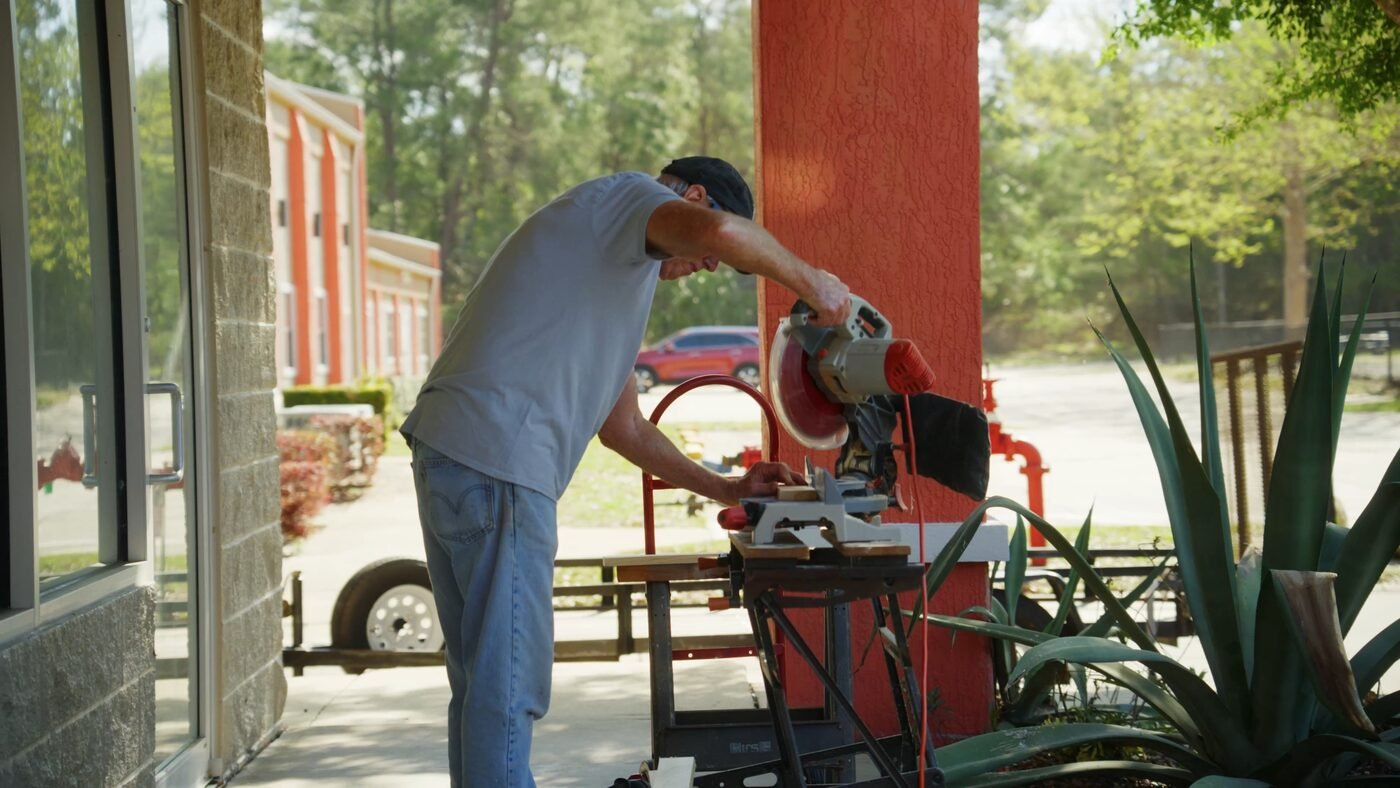
Video Type Priority Matrix for Startups
Not all video types are equal when your budget is limited. Some types deliver outsized impact at very low cost. Others require serious investment to be effective at all. And some are genuinely not worth your time until you've hit a certain stage. The matrix below maps eight common video types across impact and cost so you can make smarter prioritization decisions for your startup specifically. Click any video type to see why it sits where it does — and what to do about it.
A few things I want to flag about how to use this framework. First, "Low Impact" doesn't mean worthless — it means low impact relative to the cost and effort at the early startup stage. A Social Media Reel has very low upfront cost, but its impact depends entirely on whether you've already built an audience. Before you have followers, reels are mostly practice reps. After you've built an audience, they become high-leverage content. Stage matters as much as type.
Second, the "High Impact / High Cost" quadrant shouldn't be a permanent red light. Brand Story and Explainer Videos are legitimately powerful marketing assets — they just need to be built at the right moment, when you've validated your core message, you have some customer proof to draw from, and you're ready to put serious distribution dollars behind them. Building them at pre-revenue stage usually means rebuilding them when the message evolves six months later. Wait until the message is stable.
Not Sure Where to Start? Let's Build Your First Video Plan.
Book a free 30-minute call. We'll figure out exactly which video you need first — and what it should say.
Book My Free CallNo contracts · No pressure · Just a real conversation.
The Founder Video as a Growth Hack
If I could only tell a startup founder to make one video, it would be the Founder Video every single time. Not because it's easy — it's actually one of the hardest videos to do well — but because no other video type delivers the same ratio of trust-building impact to production cost at the early stage. A great Founder Video is working for you 24 hours a day, answering the question every potential customer has before they ever pick up the phone: "Who is this person, and why should I trust them with my problem?"
The Founder Video isn't a company overview. It isn't a sales pitch. It's a story. Specifically, it's the story of why you started — the moment you saw the problem that nobody was solving, or the gap you couldn't stop thinking about, or the thing that happened in your own life that made you say "I'm going to build this." That story is genuinely interesting. It separates you from every other business in your category that is competing purely on features and pricing. Features can be matched. Founders' stories can't.
What a Great Founder Video Contains
- The problem you experienced personally — not abstractly. The specific frustration or gap you lived with before you built the solution.
- The moment you decided to do something about it — make this concrete and specific. "I decided to start the company" is not a story. The conversation you had, the customer you couldn't help, the thing you saw that nobody was fixing — that's a story.
- What you built and why it works differently — keep this tight. One or two sentences maximum. You're not pitching yet; you're establishing credibility.
- Who you're built for — say it directly. The more specific you are about who you serve, the more the right people will feel like you're talking to them.
- A direct invitation — tell them what to do next. Watch another video, book a call, try the product. End with an action.
The production requirements for a Founder Video are genuinely minimal at the early stage. A quality smartphone, a ring light, a clean background, and a lapel microphone you can buy for $30 on Amazon. What matters infinitely more than the gear is that you've thought through what you want to say, that you practice saying it naturally, and that you record enough takes to get one where you're actually speaking with conviction rather than just reciting. The authenticity of delivery is the whole game.
I've watched founders agonize over their Founder Video for months because it doesn't feel polished enough. Here's the thing: it doesn't need to be polished. It needs to be real. Paul Graham, who has funded more successful startups than almost anyone alive, has talked extensively about how "doing things that don't scale" — including talking to customers directly, personally, at scale through video — is the exact right play for early-stage companies. A slightly rough Founder Video that shows a real person with a real point of view will outperform a beautifully produced brand video that says nothing specific every single time.
"Do things that don't scale. The most important thing you can do in the early days is talk to users. Video is how you do that at scale before you can be in the room with everyone."
Where should the Founder Video live? Everywhere. Your website homepage — above the fold if possible. Your LinkedIn profile. Your email signature. Your sales sequence, specifically in the second or third follow-up email after an initial inquiry. Any pitch deck or investor deck. The Founder Video is the universal introduction, and unlike a text bio, it works in every context because it shows rather than tells. When someone watches it, they feel like they've already met you. That changes every subsequent interaction.
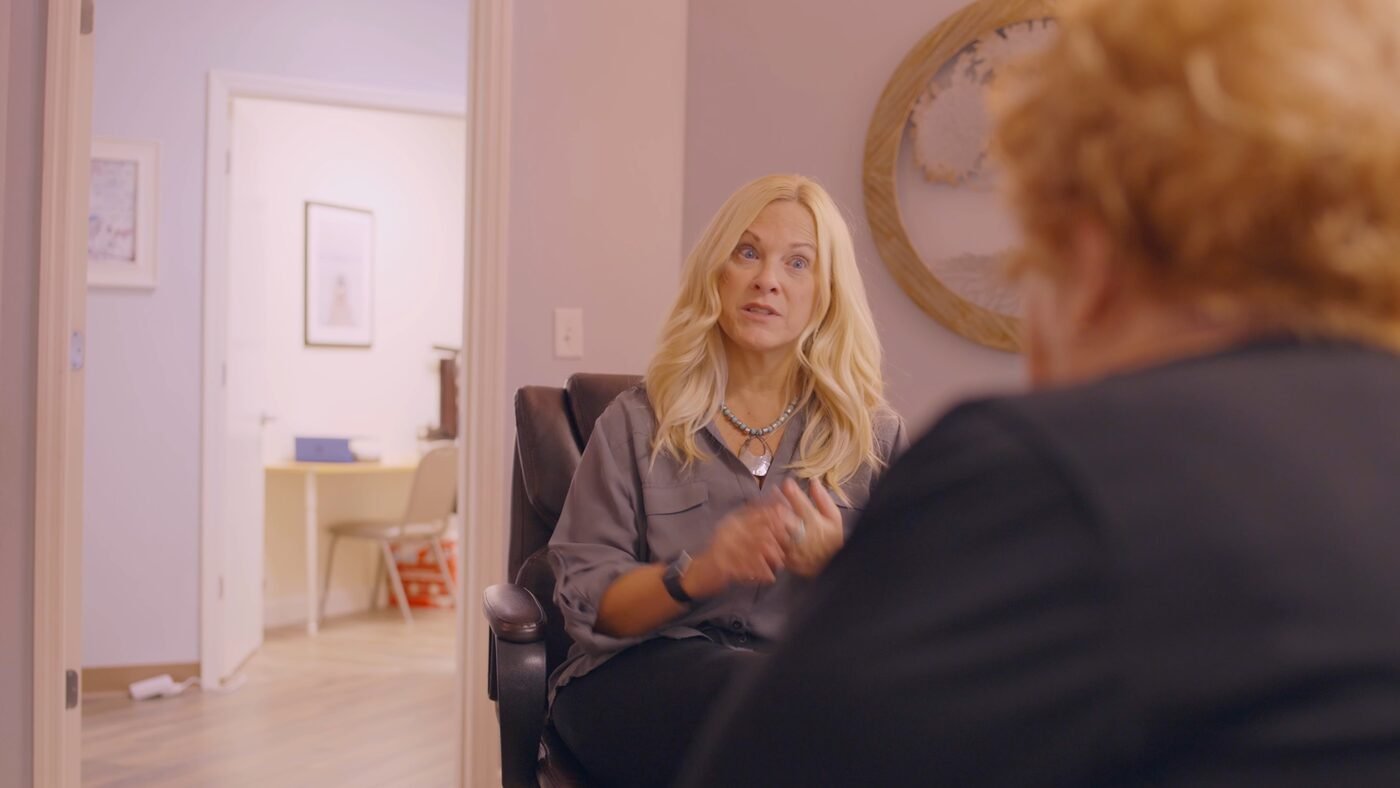
When to DIY and When to Hire a Professional
This is the question I get most often from startups, and the honest answer is: both, at different stages, for different content types. There's a false binary in this conversation that assumes it's either full DIY forever or you hire a production company for everything. The smart approach is knowing which content justifies professional production and which content is actually better off being authentic, founder-led, and slightly rough around the edges.
What to DIY
Short-form social media content — Instagram Reels, LinkedIn videos, YouTube Shorts — is almost always better DIY in the early stages. Not because professional production doesn't make it better, but because the volume and frequency required for social media to work demands a pace that professional production can't sustain at startup budgets. Social content needs to be made at the speed of conversation. If every 60-second Instagram Reel requires scheduling a shoot, an edit, and a review cycle, you'll post twice a month and wonder why nothing is building.
- Day-in-the-life content and behind-the-scenes footage — authentic, high-engagement, and genuinely difficult to fake.
- Quick educational tips or "unpopular opinion" content — works best when it feels spontaneous and direct.
- Customer shoutouts and informal social proof — a 30-second clip of a happy customer doesn't need a lighting rig.
- Founder updates, milestones, and personal stories — if it's happening in your life or your business, record it as it happens.
What to Hire Out
Any video that's going to live in a high-stakes, high-visibility context for an extended period of time should have professional production behind it. The calculus is simple: if a video is going to be on your homepage for two years, embedded in your sales materials, or running as a paid ad, the cost-per-impression of professional production becomes negligible very quickly. The upfront investment is amortized across an enormous number of views and an enormous amount of trust-building work.
- Homepage brand video or Founder Story — this is your first impression for every website visitor. It deserves professional sound, professional lighting, and a thoughtful edit.
- Customer testimonials for primary sales use — see our guide on testimonial video production for exactly what makes one convert.
- Product or service explainer videos — if the explanation requires motion graphics, multiple angles, or scripted narration, DIY rarely produces a result that converts.
- Paid advertising creative — you're paying to put the video in front of people. The cost of poor creative in paid media is much higher than the cost of professional production.
The hybrid approach: Most successful startups I've worked with end up using a hybrid model — doing their own social content consistently, and hiring professional production for two to four anchor videos per year that serve as the permanent foundation of their marketing. The anchor videos do the heavy trust-building; the DIY content does the consistent relationship-building. Both matter.
What $1k, $5k, and $10k Actually Buy You in Video
Let's be concrete about this. The ranges for video production are wide and often confusing to startups evaluating where to invest. Here's an honest breakdown of what each tier actually delivers, and what you should realistically expect at each level. These are based on real market rates in Central Florida and comparable markets as of 2026.
$500–$1,500: The Minimum Viable Production Tier
At this budget, you're working with a solo videographer — one camera, basic lighting, standard audio, and a straightforward edit. You should not expect color grading, motion graphics, b-roll footage, or multiple camera angles. What you can expect, from a competent operator: a clean, watchable video with acceptable audio that serves its purpose in low-stakes contexts. This tier is appropriate for early-stage testimonials you're using in email sequences, internal team content, or social media where authenticity is valued over polish.
If you're in this budget range, the single most important thing you can do is spend it on your Founder Video. One well-done Founder Video at the $1,000–$1,500 level — filmed with professional lighting, good audio, and a thoughtful edit — will work harder for you than three mediocre videos spread across other types. Prioritize depth over breadth when the budget is tight.
$2,000–$5,000: The Real Business Tier
This is where you start getting video that can genuinely function as a primary marketing asset. Two camera angles, professional lighting, quality audio, b-roll footage, color grading, motion graphics if needed, and a careful edit. At Bright Valley Media, most of our startup packages fall in this range, and it's where I've seen the best return on investment for early-growth-stage companies. A single $3,000 brand video, deployed correctly on a homepage and in a sales sequence, often outperforms a $50,000 ad spend in terms of long-term trust-building.
At this tier, you can also start thinking about video in sets rather than singles. A $4,000 half-day shoot can often produce a Founder Video, one customer testimonial, and three to four short social clips. The per-video cost drops significantly when you can batch production in a single session. If you're working with a production partner, always ask: "What else can we get out of this shoot day?"
$8,000–$15,000: The Brand Investment Tier
At this level, you're funding full production: pre-production planning, location scouting, a full crew, multiple shoot days if needed, professional post-production, music licensing, and revisions. This is appropriate for a flagship brand video that's going to anchor your homepage for two to three years, for a comprehensive testimonial series, or for paid advertising creative that needs to hold up under the scrutiny of millions of impressions. Most startups shouldn't be here until they have validated messaging, an existing customer base, and a real distribution plan for the finished video. Spending $10,000 on a brand video before you know what your customers respond to is a bet with bad odds.
Build Your Minimum Viable Video Plan
Every startup's right first video plan is different depending on where they are, where they're trying to go, and what they're working with. Rather than giving you a one-size-fits-all answer, use the tool below to generate a specific three-video starter plan based on your startup stage, your primary channel, and your monthly video budget. This isn't theoretical — these are the actual recommendations I give clients in discovery calls every week.
The three-video framework is intentional. It's enough to build a real foundation — trust, proof, and education — without spreading a limited budget so thin that nothing gets done well. Once those three videos are deployed, tracked, and performing, you have real data to inform the next decision. You're not guessing anymore. You're building on evidence.
One thing I always tell founders when we talk through this: the first version of your video plan doesn't need to be perfect. It needs to be done. A Founder Video that exists and is working is infinitely more valuable than a perfect brand video that's still in planning. Ship something real. Learn from what it does. Build from there.
Leveraging Content Before You Have a Real Budget
Before you can justify even a $1,500 professional video shoot, there's an enormous amount of value you can build with essentially zero budget — if you're willing to show up consistently and stop waiting until everything is perfect. The startups I've watched build genuine brand equity before they had a real marketing budget all did a version of the same thing: they made themselves findable and trustworthy through consistent, specific video content that their target audience actually found useful.
LinkedIn video is still significantly underused relative to its organic reach. A founder posting two to three short videos per week — 60 to 90 seconds, talking directly to camera about a real problem in their industry — will build a more engaged, qualified audience in six months than most companies build with paid social in a year. The key is specificity. Not "video marketing is important for businesses" but "here's the specific reason the first 30 seconds of a testimonial video determines whether the entire thing converts." That level of specific insight is what builds actual trust with the right people.
YouTube is worth a serious strategic look for startups whose customers use search as part of their buying process. A startup that produces ten genuinely useful how-to videos in their niche will accumulate organic search traffic that continues to send qualified prospects for years at zero ongoing cost. The Central Florida business ecosystem has a relatively low level of YouTube content competition in most niches — there's a real opportunity for the first mover who commits to producing clear, useful, well-titled content that answers the questions their prospects are actually searching.
The Content Calendar for Zero-Budget Video
- Week 1: Record and post your Founder Video on your phone. Keep it under two minutes. Put it on your LinkedIn, your homepage, and your email signature. That's step one.
- Week 2: Record a 60-second video answering the most common question you get from prospects. Post it on LinkedIn and YouTube. Repurpose as a Reel.
- Week 3: Record a "day in the life" or behind-the-scenes clip from your actual work. No script. Just show what you do and why it matters.
- Week 4: Ask one happy customer if you can record them on a Zoom call or in person for five minutes talking about the result they got. That's your first testimonial.
Repeat that cycle for 90 days. By the end of it, you have 12 videos, a growing audience, real data about what resonates, and — crucially — a much clearer sense of which content type your audience responds to. That data is infinitely more valuable than any production decision you could make at month one. It's also what justifies the investment in professional production when the time comes: you know exactly what to make, because you've tested the messages in the rough.
On the faith-driven side of this: I started Bright Valley Media with a secondhand camera and a conviction that honest, well-told stories had real value. I didn't wait until I had a full production kit to start producing. The first year of consistent, imperfect, genuine content is what built the relationships that became everything that came after. Start where you are. Use what you have. The audience rewards consistency and authenticity far more than production value at the early stage.
The Central Florida Startup Ecosystem and Video
Central Florida is an underrated startup market. The UCF Research Park and the Innovation District in downtown Orlando have produced real companies in tech, health, defense, and consumer goods over the last decade. The Lake Nona Medical City ecosystem is generating healthcare and life sciences startups at a serious pace. Corridor communities like Winter Park, Sanford, and Deland have seen meaningful growth in independent businesses with real growth ambitions. And across all of it, there is a significant gap in video marketing sophistication compared to markets like Austin, Miami, or Atlanta.
That gap is an opportunity. Local competitors in most niches here are not using video well. A startup that commits to a disciplined video strategy has a disproportionate chance of becoming the most trusted brand in their category in the Central Florida market — not because the competition is weak, but because the bar for video content quality and consistency is still relatively low. The floor is low. The ceiling is high. And the cost of production here is meaningfully lower than in larger metro markets, which means your budget goes further.
I've worked with startups in Deltona, Sanford, Winter Park, and across the I-4 corridor. The businesses that have used video strategically — the ones that understood it as a trust-building system rather than a one-time project — have consistently outperformed their peers in terms of close rates, referral rates, and brand recognition. The data isn't anecdotal anymore. It's a pattern. And it's repeatable with the right approach and the right execution.
If you're building something in Central Florida and you're serious about video marketing, the combination of a genuine story, a low-competition local market, and access to professional production at competitive rates is a rare opportunity. The startups that act on it now will look back in three years at a body of video content that's doing real, compounding work — building trust, driving search traffic, filling sales pipelines — while their competitors are still posting static images and wondering why the phone isn't ringing.
Want to see how some of these principles play out in practice? Check out our deep dive on video marketing ROI for small businesses, or read the video budget guide for established businesses to see how the prioritization math changes as you scale. The fundamentals in this guide apply at every stage — but the specific decisions evolve as your budget, audience, and clarity of message grow with you.