The restaurant industry is brutally competitive in Central Florida. Thousands of options. New openings every month. Short attention spans and even shorter decision windows. The businesses that stay full aren't always the ones with the best food — they're the ones that know how to make people feel something before they ever walk through the door.
Video is the fastest way to do that. Not because it's trendy, but because food is fundamentally a sensory experience — and video is the closest a screen can get to delivering that experience. A great food video doesn't show someone a dish. It makes them feel hungry. It makes them feel like they're already missing out. It makes them pull out their phone and look up your hours.
I've been producing video for businesses across Central Florida for over a decade. Restaurants are one of the categories where I've seen the most dramatic results from consistent video content — not polished TV commercials, but strategic, social-first content built around what people actually stop to watch. This guide covers the complete picture: why video works so well for restaurants specifically, what to make, how to make it look great even under kitchen constraints, where to post it, and what it actually produces in real numbers.
If you run a restaurant, a bar, a food truck, or any food-and-beverage concept in the Orlando area — this is the playbook.
"People don't eat food. They eat stories about food."
Why Video Is the Best Investment a Restaurant Can Make Right Now
Restaurant marketing used to be simple: run an ad in the local paper, maintain a decent Yelp page, and hope the food and word-of-mouth did the rest. That world is gone. The decision-making process for where to eat tonight happens almost entirely on a phone, and it's driven almost entirely by visual content. Your potential customers are scrolling Instagram, watching TikTok, and searching Google — and if you're not showing up with video in those spaces, a competitor down the road is.
What makes video uniquely powerful for restaurants is the match between the medium and the product. Food is inherently visual. The steam rising off a bowl of ramen, the pull of melted cheese on a flatbread, the pour of a perfectly crafted cocktail — these things communicate quality, freshness, and desire in a way that no menu description can replicate. A well-shot 20-second clip of your signature dish does more persuasive work than a $500 print ad, and it keeps working long after you posted it.
There's also a trust dimension that matters more in food service than almost any other category. When someone watches a video of your kitchen, your team, your sourcing process — they're getting a sense of your standards before they ever order. That transparency builds a level of trust that even the best static photography can't fully achieve. Customers who discover a restaurant through genuine, behind-the-scenes video content are more loyal and more likely to return than customers who found you through a discount or a one-off ad.
For Orlando restaurants specifically, the opportunity is significant and underutilized. Most local eateries still rely on static posts, inconsistent posting, and no clear strategy. The bar is low enough that a restaurant producing even two or three quality videos per week will stand out dramatically in the local feed. Add the fact that Central Florida's population continues to grow — with thousands of new residents searching for their local go-to spots — and the timing for building a video presence couldn't be better.
The economics are also compelling when you do the math. A single professional shoot day can produce 8–12 pieces of content. At a conservative average check of $45 and a table of four, one incremental reservation per day driven by video pays for a high-quality shoot within the first two weeks. Most restaurants are getting far more than that from consistent video — but even the conservative math makes the investment easy to justify.
The 7 Types of Restaurant Video (and When to Use Each)
Not all restaurant videos serve the same purpose. The mistake most owners make is treating all content as interchangeable — as if a dish close-up and a chef story are the same type of asset doing the same type of work. They're not. Different video types reach different audiences, trigger different emotional responses, and perform on different timelines. Knowing which to use and when is what separates a real strategy from random posting.
1. Hero Dish Content
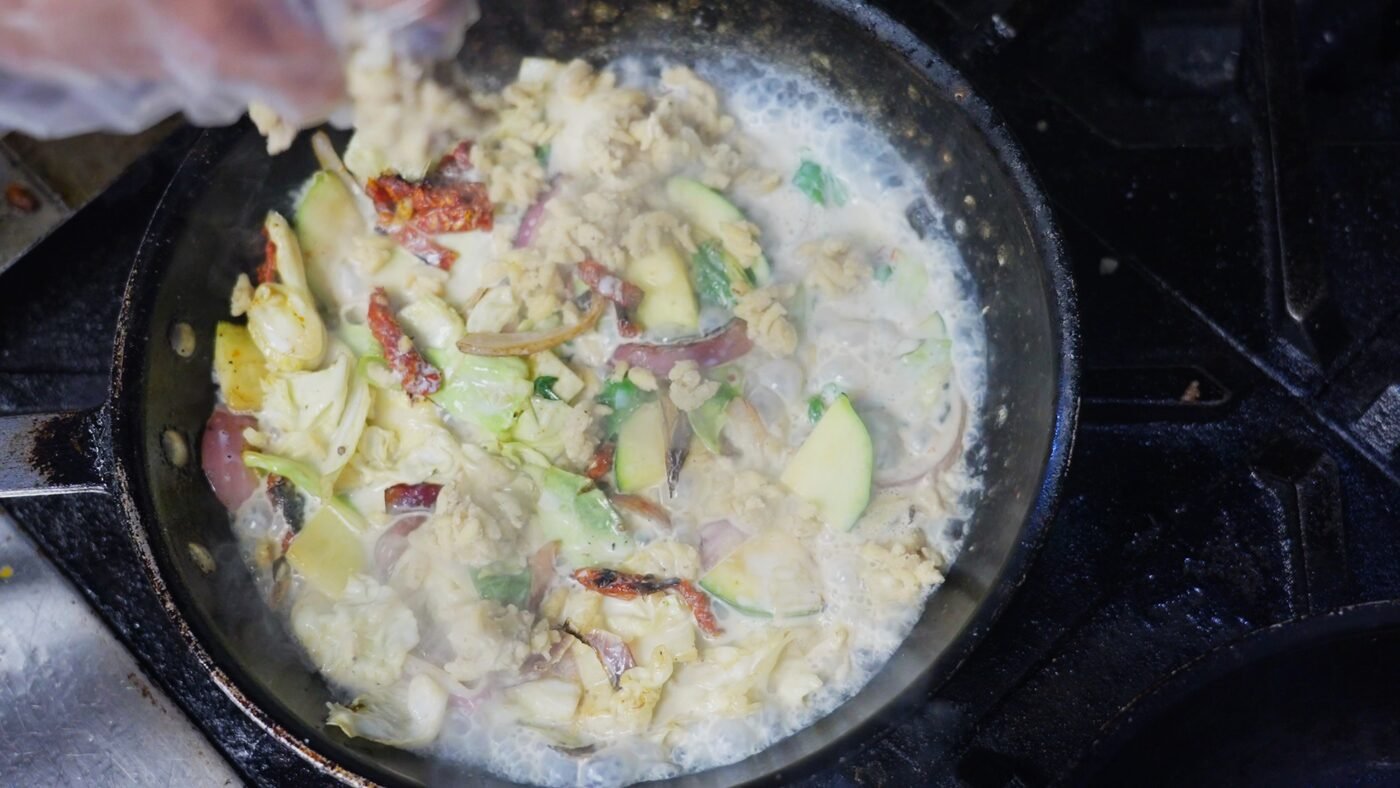
This is your most important content type. A hero dish video is a close-up, high-quality, beauty shot of your best-looking food. The goal is pure appetite appeal — no narration required, just slow motion pour, perfect steam, deliberate plating. This content performs well on every platform and is the most commonly shared. Aim for one hero dish piece per week minimum. Rotate through your best sellers, seasonal items, and new additions.
2. Kitchen & Process Content
These are behind-the-scenes clips showing how your food is actually made. The prep work, the technique, the care that goes into a dish before it ever reaches a table. This type of content builds trust. When someone sees the attention your kitchen gives to every plate, they feel confident spending money there. It's also genuinely compelling to watch — the sounds and rhythms of a working kitchen are naturally satisfying on screen.
3. Chef & Team Stories
People follow people, not logos. A one-minute video of your head chef explaining why a particular dish matters to them personally — where the inspiration came from, what makes it different — will outperform a polished brand ad every time. These videos build the emotional connection that keeps customers loyal through slow weeks and bad reviews. Introduce your staff. Let your team's personality show. That human layer is your strongest competitive asset.
4. Specials & Announcements
Short, direct, timely. These are the "what's on tonight" videos — weekend specials, limited-time menu items, event announcements, new menu reveals. The goal is immediate action: see this, want it, come in. Post these 24–48 hours before the relevant service window for best results. They don't need to be elaborate — a 15-second clip of a beautiful Friday night special with a clear call to action is all you need.
5. Atmosphere & Experience Content
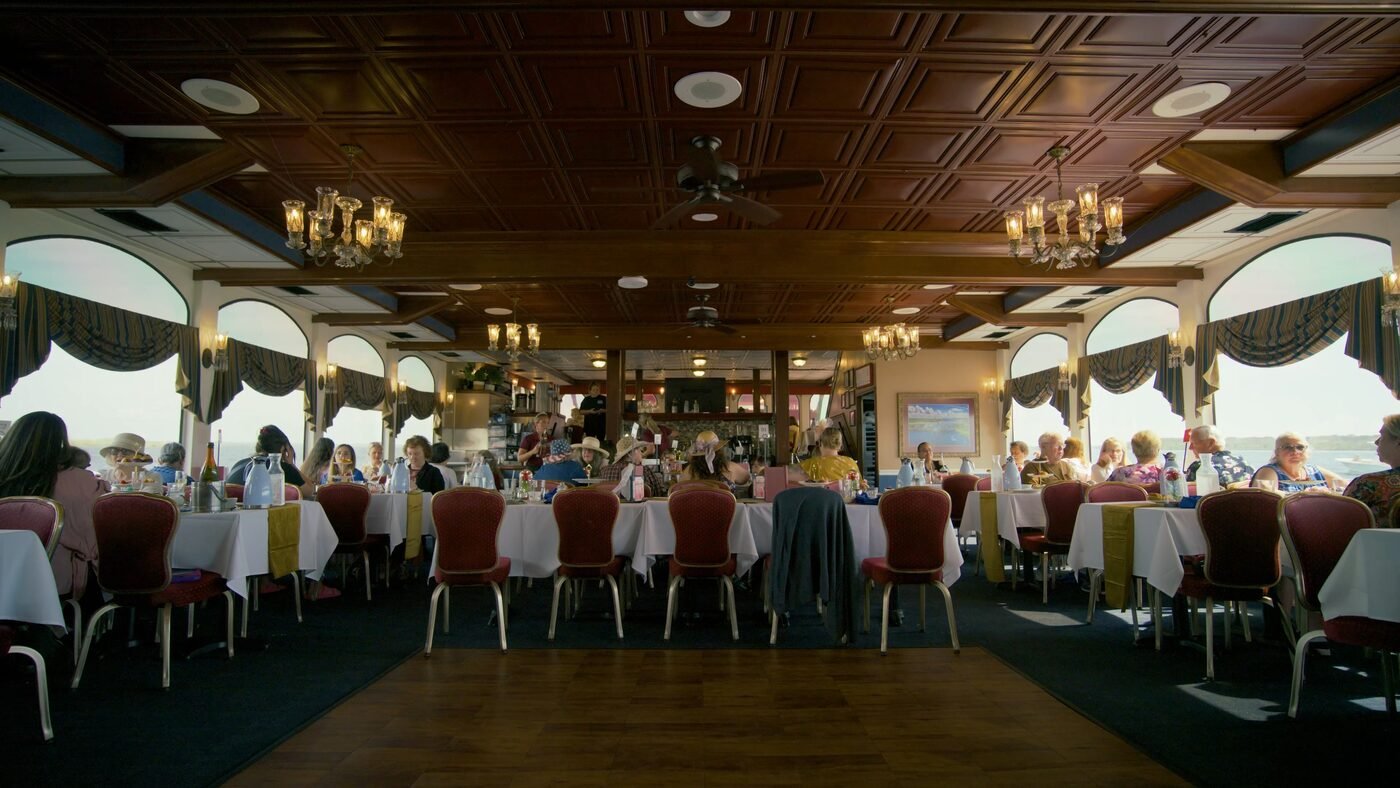
This is what the room looks and feels like on a busy night. A packed dining room, the glow of pendant lights, the sound of conversation and clinking glasses, a bartender working during a Friday rush. This content triggers FOMO — the fear of missing out — which is one of the most powerful drivers of restaurant reservation behavior. People don't just want good food. They want an experience worth leaving the house for. Show them that experience exists at your place.
6. Supplier & Ingredient Stories
Where does your produce come from? Do you source from local farms? Have a specific purveyor relationship you're proud of? These stories are marketing gold for the right audience. Customers who care about quality, freshness, and local sourcing respond strongly to this content — and it differentiates you from chain competitors who can't make the same claim. Even a 30-second clip of fresh produce arriving and being prepped communicates quality that no amount of adjectives on a menu can.
7. Delivery & Takeout Content
An underutilized category. If you do delivery, a short video showing your packaging process, how your food is prepared to travel, and what the experience looks like when it arrives can meaningfully increase delivery orders. The biggest fear with food delivery is that it won't be worth it — that the food will arrive cold, crushed, or disappointing. A video that directly addresses that fear and shows how you handle delivery builds confidence in the ordering decision.
Build Your Restaurant Video Campaign
Different business goals require different video strategies. A restaurant trying to fill Saturday night tables needs different content than one trying to grow its DoorDash presence. Use the selector below to get a specific campaign plan based on what you're trying to accomplish right now.
Select your primary goal to see a complete campaign plan — recommended video types, content angle, platform strategy, timeline, and a specific content hook you can use this week.
- Table-setting atmosphere video showing the full dining room experience
- "What's on tonight" specials clip — visual, timely, direct
- Reservation or experience highlight showing the moment guests arrive
- Unboxing or packing process showing the care taken with every order
- Hero dish close-ups designed for high food appeal in a small screen format
- "It travels perfectly" content that directly addresses delivery quality fears
- Chef or owner story — where you came from, why you opened, what drives you
- Kitchen prep series showing a recurring ritual that people can follow weekly
- Supplier relationships and staff spotlights that put real faces on your brand
- Grand opening or event teaser with a clear date and urgency built in
- New menu reveal or renovation before/after showing the transformation
- Special event announcement with social proof and reason to act early
How to Make Food Look Incredible on Camera
Food videography is a specific skill, and most restaurants underinvest in understanding it before they start producing content. The result is footage that looks fine in person but flat on screen — which is worse than not posting, because it actively undermines your brand. The good news is that the principles are learnable, and most of what separates great food video from mediocre food video comes down to a few specific decisions about light, angle, and timing.
Light is the most important variable. Natural light from a window is still the best light source for food. Soft, diffused, directional — it creates depth, highlights texture, and makes color pop in a way that overhead restaurant lighting almost never does. If you're shooting during service, find the table closest to a window. If you're doing dedicated content creation, time your shoots for morning or late afternoon when the light is warmest and most flattering. Avoid the built-in flash on any phone camera — it flattens everything and makes food look like a sad menu photo from 2009.
Angle determines appetite appeal. For most dishes, a 45-degree overhead angle — not straight down, not eye-level, but somewhere in between — gives the best combination of depth and spread. Soup, pasta, and bowls can often go straight overhead. Burgers, stacks, and layered dishes usually need a low, eye-level angle to show height and layers. Drinks almost always look best at eye level where you can see the condensation and color through the glass. Spend 30 seconds trying two or three angles before you commit — the difference is often dramatic.
Movement beats static. A slow, deliberate camera pull-back from a close-up of the dish to reveal the full plate performs significantly better than a static shot. A sauce pour, a cheese pull, a garnish being placed — any movement that happens naturally in the plating process is content gold. If you're using a phone, use a stabilizer or set the phone on a surface and slide it manually. The goal is slow, smooth, intentional motion. Shaky footage looks like an accident, not a style choice.
Steam and freshness are everything. Cold food looks cold on camera. Film food as soon as it comes up — the steam rising from a bowl, the moisture on a just-seared piece of protein, the gloss on a freshly glazed dish. These signals communicate freshness and temperature before a single word is said. This means having your camera ready before the plate comes out, not after. Build a ten-second camera check into your plating process and you'll capture quality you can't manufacture in post-production.
One piece of gear worth buying: A phone stabilizer with a cold shoe mount for an LED light runs about $60–90. It solves two of the biggest food video problems — shake and poor light — in a single purchase. Add a small lens kit for close-ups and you have a capable food content setup for under $150 that most restaurants will never outgrow.
Ready to make your restaurant the one everyone's watching?
Book a free call. We work with Central Florida restaurants to produce video content that drives real foot traffic — not just likes.
Book My Free CallNo commitment · Orlando local · Free 30 minutes
Your Restaurant's Content Calendar
Knowing what to post is half the battle. The other half is knowing when and how often, and having a plan before you're standing in a kitchen at 11am on a Monday wondering what to film. A content calendar removes that friction. It turns "we should post more" into a specific, actionable schedule with a theme for every posting day.
The right posting frequency depends on your capacity — your team size, who owns the content creation, how much dedicated time you can give it. There's no prize for posting daily if the quality suffers. But there's also a floor: three times per week is roughly the minimum needed to build any kind of consistent social presence. Below that, the algorithm treats you as an occasional visitor rather than an active creator, and your reach suffers accordingly.
Use the tool below to generate a 7-day content plan based on your posting capacity. Every slot has a specific content type and a brief to guide your shooting — so you can plan the week in 15 minutes and execute it without guessing.
Select your posting capacity to see a day-by-day content plan. Each slot includes a content type and a brief description to guide your shoot.
A note on batching: you don't have to film every day to post every day. Two dedicated filming sessions per week — one focused on hero dish and atmosphere content, one focused on process and team content — can produce enough material for a daily posting cadence. The goal is to separate creation from distribution. Film in batches, schedule in advance, post consistently without making it feel like a daily emergency.
Platform Strategy for Orlando Restaurants
Every platform has its own logic, its own culture, and its own audience behavior. Posting the same video in the same format to every platform is the fast path to mediocre performance everywhere. The restaurants that win on social do so by understanding what each platform rewards and making content that fits those rules — not content that was made for a different platform and repurposed.
Instagram Reels is still the best discovery platform for local restaurants. The combination of short-form video with strong local and interest-based recommendations means a well-performing Reel can reach thousands of people in the Orlando area who have never heard of you. Film vertically (9:16 ratio), keep it under 60 seconds for maximum reach, and use local location tags and relevant hashtags like #OrlandoEats, #CentralFloridaFood, and neighborhood-specific tags. Reels with trending audio outperform those with original sound by a wide margin, but if your content is strong enough, original sound can carry it.
TikTok has the most aggressive discovery algorithm of any platform, which means the ceiling on organic reach is higher here than anywhere else. A single great video can reach tens of thousands of people who don't follow you. The trade-off is that TikTok demands volume and authenticity over polish. Raw kitchen footage, genuine reactions, direct-to-camera explanation — these perform better on TikTok than highly produced brand content. It's also the right platform for longer-format food storytelling, with videos up to 3 minutes performing well for content that earns its length.
Facebook skews older than Instagram and TikTok, but in Central Florida that still means a large and relevant audience — particularly for family dining, date-night concepts, and weekend brunch categories. Facebook's local targeting for paid content is the most powerful of any platform, which makes it the right place to put money behind your best-performing organic content. Native Facebook video and Reels both work, but Facebook is also where event pages still drive meaningful RSVPs, especially for live music nights, themed dinners, and holiday events.
Google Business Profile video is the most underused tool in restaurant marketing. When someone searches "restaurants near me" or "best Italian food in Orlando" and your GBP has recent video content, you stand out in a results page full of static photos. Upload your two best videos to your GBP and refresh them quarterly. These videos don't go viral — they convert people who are already deciding where to eat. That's a different and often more valuable outcome than reach alone.
YouTube Shorts are worth adding if you have the content volume. Shorts feed into YouTube's broader recommendation engine, which means a strong Short can drive subscribers to a longer-form channel if you have one, or simply reach people who use YouTube as a primary discovery platform. For restaurants, YouTube is less about going viral and more about building a searchable library of content that shows up when people research dining options. "Best restaurants in Winter Park" or "things to do in Orlando" content lives on YouTube for years.
Production Tips for Restaurant Owners Who Can't Afford to Close for a Shoot
The number one objection I hear from restaurant owners when video comes up is the same every time: "I can't shut down service to film." That's a real constraint, but it's also a misunderstanding of how restaurant video actually gets made. The best restaurant content in the world is shot during real service — not in spite of it, but because of it. A busy, energetic kitchen at dinner rush looks dramatically better on camera than a staged shoot with artificial activity.
"Your brand is what other people say about you when you're not in the room."
The key is having a system for it. Designate one person on your team as the content point person — ideally someone who's already comfortable with a phone camera and has an eye for what looks good. Give them 20 minutes per shift to capture specific shots from a running list. That list should include: one hero dish per service, one kitchen process shot, one atmosphere shot (early service empty-to-full transition is great), and any specials or new menu items. With that system in place, you're generating 4 content assets per service day without disrupting operations.
For dedicated shoot days, the easiest approach is to come in 90 minutes before service. The kitchen is prepped, the staff is in their element, the light is usually better before the restaurant gets busy, and you're not fighting against the chaos of a full service. In 90 minutes with a clear shot list, you can capture enough material for two weeks of content — hero dishes, prep sequences, team intros, atmosphere shots of the space being set up. That's a 90-minute investment that pays for itself many times over.
Sound is often overlooked but matters more than most people realize. The natural sounds of a restaurant — the sizzle of a pan, the crack of a knife on a board, the low hum of a dining room warming up — are inherently appealing to watch. Don't always add music over your food prep footage. Let the room speak. When you do use music, choose something that matches the energy of your concept: high-energy Latin for a vibrant taqueria, something warm and acoustic for a neighborhood bistro. The audio choice is a brand decision.
Batch your production whenever possible. Rather than filming a new video every single day, schedule two content creation sessions per week and produce 4–6 pieces per session. Film the same dish in multiple formats — close-up, overhead, eye-level, slow motion pour. One plating moment can become three to four different videos with different framings and music. This approach reduces the daily burden of content creation while keeping a consistent posting schedule that satisfies every platform's algorithm.
What Restaurant Video Marketing Actually Produces
I'm going to be direct about results, because the restaurant industry gets a lot of vague promises from marketing vendors. Video marketing is not a silver bullet, and it doesn't work in isolation. But when it's done right — with a clear strategy, consistent execution, and at least 90 days of sustained effort — the results are measurable and significant.
The most common first result is an increase in social-sourced reservation inquiries. Restaurants that implement a consistent video strategy typically see this within the first 30–60 days, usually driven by Instagram Reels and Facebook content targeting local audiences. The effect is cumulative — it builds week over week as your content library grows and the algorithm learns what kind of people engage with your videos. By month three, most restaurants have a steady trickle of "I saw you on Instagram" table requests.
The second result, which takes longer but is more valuable, is brand loyalty among existing customers. When regulars follow you on social and watch your content consistently, they develop a relationship with your restaurant that goes beyond the dining experience itself. They become advocates. They share your content. They bring people with them. They write reviews that mention the behind-the-scenes content they watched and how it made them feel more connected to your team. This is the compounding effect that makes video marketing genuinely transformative for restaurant businesses — not just a traffic driver, but a loyalty engine.
The third result is competitive insulation. In a market where a new restaurant opens every week, the businesses with an established content presence and loyal following are dramatically more resilient to competition than those without one. A new place can match your food. They can't replicate the relationship you've spent two years building with your audience. That relationship is a moat, and video is how you build it.
What doesn't work: posting once a week with no strategy, producing content with no clear purpose, and expecting results in the first two weeks. Video marketing is not a paid ad with a 48-hour result cycle. It's a long-term investment in visibility, trust, and loyalty. The restaurants that succeed with it are the ones who commit to it as a permanent part of their marketing operation — not a one-time project or a slow-season experiment.
Getting Started: What to Film This Week
The biggest barrier to restaurant video marketing isn't budget or equipment — it's the paralysis of not knowing where to start. So let's make it concrete. If you're starting from zero today, here are five specific pieces of content to capture this week.
Day 1: Your hero dish. Whatever the one dish is that you'd want every new customer to try first — film it. Find a window, set up your phone horizontally at a 45-degree angle, wait for service to plate it, and capture 30 seconds of the plating in real time. That's your first piece of content. Caption it with what makes that dish different and post it to Instagram Reels with your location tagged.
Day 2: 60 seconds of kitchen prep. Walk into your kitchen during mid-morning prep and film one continuous, handheld 60-second clip of whatever's happening. Someone breaking down vegetables, a sauce being started, line setup. Don't direct it. Don't script it. Just capture real work happening in a real kitchen. Add trending audio in the edit. Post it with a caption about why the prep matters.
Day 3: A specials announcement. Whatever your weekend special is, film it being plated with a direct-to-camera voiceover: what it is, when it's available, and a specific call to action. "Call us or book online — this one goes fast." Under 30 seconds. Post Thursday evening for maximum Friday traffic impact.
Day 4: A team moment. Ask one of your staff members if they'd say a sentence on camera about their favorite thing on the menu. 15 seconds. Unscripted. Post it with a caption introducing them by first name and what they do. This is the beginning of your human layer — the content that builds loyal following faster than anything else.
Day 5: An atmosphere clip. On your next busy service, put your phone in a corner and let it record for 90 seconds. A full dining room, tables clearing and filling, the ambient sound of a restaurant doing what restaurants do best. No narration. No music. Just your place, full and alive. Post it Friday morning with "Tonight" as the caption. That's it. That's the post. Let the room do the work.
From there, you have a foundation and a feel for what content creation looks like in practice. Build from it. Add a content planner, designate a team member to own it, and commit to showing up consistently for 90 days. The restaurants in Central Florida that are doing this well right now didn't get there with a single great video — they got there by deciding to show up every week, improving as they went, and letting the compound effect do what compound effects do.
If you want to accelerate the process — or if you'd rather have a professional produce the content while your team focuses on running the restaurant — I'd be glad to talk about what that looks like for your specific concept. I work with restaurants across the Orlando area and know what it takes to make food look incredible on camera without disrupting service. The conversation is free.