I've shot over 1,000 videos. That means I've seen every possible way someone can prepare for a shoot. And every possible way they can completely botch it.
The good news? Most of the disasters are preventable. The better news? You're about to read what actually works.
Here's my complete process for getting ready for a shoot that produces results instead of regret.
Start Here: The Pre-Production Conversation
Before we ever talk wardrobe or location, we have to know what the video is actually supposed to do.
This is where most people mess up. They say "We want a video about our business" and think that's enough direction. It's not.
The real questions are:
What's the goal? Are we trying to drive sales? Build credibility? Explain a service? Get applications? These all change how we shoot and what we prioritize.
Who's watching? A video for Instagram followers looks completely different than one designed to run in front of decision-makers at a conference.
What do you want them to do after? Call you? Share it? Sign up? Buy something? The hook, the message, and the call-to-action all depend on this.
How long does it have to be? A 15-second social clip is shot totally differently than a 3-minute brand film.
I usually spend 30 minutes to an hour on this before we talk about anything else. It saves everything that comes after.
The Script Question
Here's my controversial take: most businesses don't need a word-for-word script.
They need an outline. A clear structure of what gets said, in what order, with the key points locked down.
Here's why: when I've worked with clients who come in with rigid scripts, people sound like robots. They're reading instead of speaking. The energy is flat.
When we have a solid outline—"We open with the problem, introduce ourselves as the solution, show proof with client results, then ask for the call"—people speak naturally. It sounds human. It converts better.
That said, some things need to be scripted:
Opening and closing. These are money. Write these word-for-word and practice them.
Specific numbers or stats. If you're claiming "We've helped 500+ businesses," that exact number needs to be said consistently.
Key phrases you want to sound like. If your brand voice has specific language, pin those down.
The call to action. People remember what they hear last. Make that count.
For everything else? Outline it. Practice it. Let people be themselves on camera.
Wardrobe: What Actually Works (And What Doesn't)
This matters way more than people think. I've had shoots where the video was great but someone wore something that distracted from everything else.
Avoid these:
- All white or all black (unless that's your brand). These colors make cameras work harder to expose properly.
- Small, busy patterns. They strobe on camera and look distracting.
- Clothes that are too baggy or too tight. You want to look like yourself, just the best version.
- Logos for competing companies.
- Super shiny or reflective materials. They create weird light artifacts.
- Anything you have to fidget with or adjust.
Do these:
- Solid colors that match your brand or create contrast with the background.
- Clothes you've worn before and feel comfortable in. Confidence shows.
- Layers if you're on camera for extended shooting.
- Get your outfit approved ahead of time if possible.
- Iron/steam everything the night before.
For corporate settings, I usually recommend business casual or one step up. For retail or service businesses, wear what your staff wears. Authenticity matters more than formality.
Bring a backup outfit. Not because I expect something to spill on you (though it happens), but because if we're shooting all day and want a different look for a different section, we can pivot without going home.
Location Prep
Where you shoot changes everything about how the video feels and performs.
Clear the space. Remove clutter from backgrounds. That pile of boxes behind you gets more attention than your face.
Check the lighting. Where's the natural light coming from? Are there harsh shadows? Fluorescent overhead lights make everyone look like a zombie.
Think about sound. Is there a water fountain running constantly? Ice machine? Busy street outside? HVAC system that sounds like a jet engine? Tell me before we start shooting.
Plan for power. Do you have accessible outlets for lighting and equipment?
Consider the background. Is it saying what you want to say? A video shot in a pristine office feels corporate. One shot on the floor of your workshop feels authentic. Both are fine—just be intentional.
For Found and Cherished Resale, we didn't shoot in a sterile studio. We shot in their actual store. That authenticity was huge. Customers saw the real place, the real energy, the actual inventory. That's why the videos converted so well.
Ready to plan your shoot?
Let's talk about your project before the camera ever turns on. A 30-minute call saves hours of wasted time on set.
Book My Free CallFree consultation · No commitment · Real answers
The Week Before: Your Real Prep Work
Most people wait until the night before to think about this stuff. Don't. Here's your real timeline:
The Day Of: Timeline and Expectations
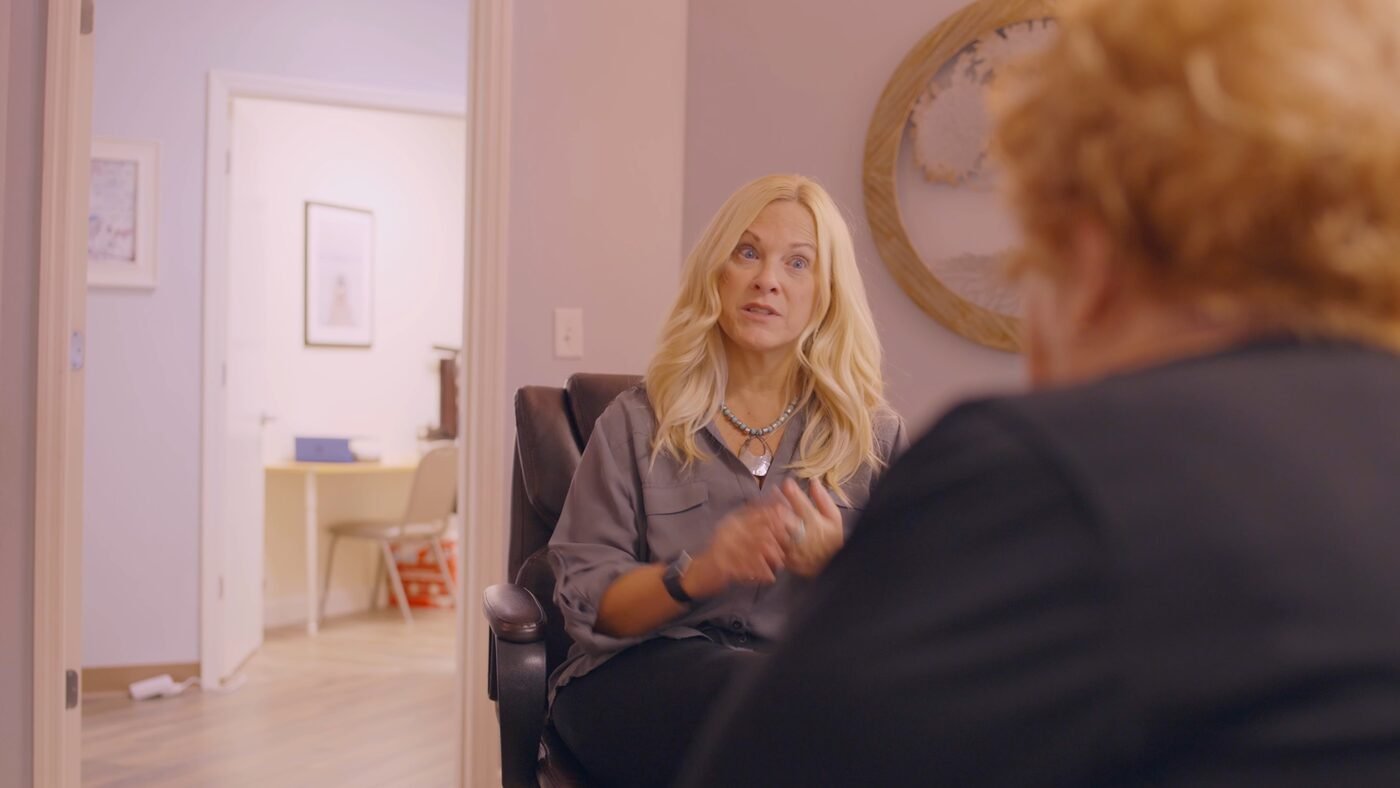
Here's what a typical shoot day actually looks like. Knowing the rhythm helps you stay calm and perform your best.
Arrival & Setup
I'm getting lights right, checking audio, making sure we have what we need. You can relax, get comfortable, have some water. This is not time to stress—it's actually your best window to mentally transition into the work.
Don't run through your script obsessively during setup. Just settle in. Talk to the crew. Get used to the environment.
Tech Check
Microphone on you, quick audio test, camera position locked, final light check. We make sure everything's working before we roll.
This is when we figure out if your shirt is causing mic interference (it happens), if your background needs one more adjustment, or if we need to kill the overhead fluorescents. Small fixes here save big headaches in post.
Rolling Takes
We always start with a couple of warm-up takes—not for keeps, just to get you comfortable. You'll sound wooden at first. That's normal. Everyone does.
- Sometimes we nail it in 3 takes. Sometimes it takes 15. Both are fine.
- Don't put pressure on yourself when you flub a line—that's literally what we do again.
- Between segments we may move the camera, adjust lighting, or change your position.
- Breaks are built in. Fresh energy between segments matters.
After You Wrap
You're done on set, but the video isn't done yet. We're in post-production. Here's what happens next:
- I send you a rough cut within the agreed timeline.
- You give feedback on content, pacing, and graphics.
- We do 2–3 rounds of revisions until it's right.
- Final delivery includes 4K master, compressed social versions, and captions if needed.
The Big Don'ts
Don't memorize everything. A script is a guide, not a prison.
Don't look at the camera if we haven't told you to. Most corporate videos want you talking to an imaginary person.
Don't rush. Slow down. You think you're going slow and normal speed feels leisurely. On camera, pause longer than feels comfortable between thoughts.
Don't expect to sound or look exactly like you do in the mirror.
Don't get frustrated if a take needs another try. Literally everyone needs more than one take.
The Week After
You're done shooting, but the video isn't done yet. We're in post-production.
I'll send you updates, preliminary cuts, and places where I need specific approval or feedback. We usually build in 2–3 rounds of revisions.
The total timeline from shoot to final video is usually 2–4 weeks depending on complexity.
What You'll Actually Get
- Final video file in 4K
- Compressed versions for social media (Instagram, TikTok, YouTube, etc.)
- Captions/subtitle file if needed
- Any graphics or animation files created for the project
- Permission to use the video however you want
The Real Secret
The best shoots aren't the ones with the most expensive equipment or the most elaborate setups.
The best shoots are the ones where the person being filmed is relaxed, knows what they're supposed to say, feels supported by their team, and actually cares about the message.
Your job before the shoot? Get comfortable. Know your message. Care about the result. Everything else is my job.