Fitness is one of the few industries where the product sells itself the moment people can actually see it. The sweat, the energy, the transformation, the community — none of that translates in a paragraph of copy or a stock photo of someone smiling on a treadmill. Video is not optional for gyms and fitness studios. It is the category. And in a market like Orlando and Central Florida, where every strip mall has a boutique fitness concept and every neighborhood has a box gym, the businesses that figure out gym video marketing first will own the attention.
I'm Nathan LaValley, based in Deltona. Over the past ten years I've produced more than 1,000 videos for businesses across Central Florida — including fitness brands, personal trainers, wellness studios, and health-focused small businesses. What I'm giving you in this guide is a complete system for fitness video marketing: the right video types, the right platforms, the right strategy for where you are in your growth, and the specific mistakes that cost fitness brands members every single month. Let's get into it.
Why Fitness Is the Most Video-Native Industry on the Planet
There are industries that benefit from video, and then there is fitness — where video is essentially the native language. Every other marketing format is a translation. A gym described in words is always going to be a pale imitation of a gym shown on screen. The moment someone sees a trainer coaching a member through a difficult lift, or watches a class full of people moving in sync at 6am, or sees a member's before-and-after story told by the member themselves — that's the moment the decision to join starts forming. Nothing else comes close.
Think about why people join gyms. They want to feel different. They want to look different. They want to belong to something. They want accountability, community, and energy they can't manufacture alone. Every single one of those motivations is something video can demonstrate and something static content can only gesture at. A photo of a weight room tells you the equipment exists. A video of that weight room at 5:30am — packed, loud, people pushing each other — tells you this place is alive. That's the gap video closes.
The fitness industry also benefits uniquely from video's social spread. People share workouts, transformation stories, class highlights, and trainer content constantly. Unlike B2B service video or, say, legal services marketing, fitness content has natural virality built in. People are proud of their fitness journeys. They want their friends to see what they're doing. That means every piece of video you create has potential reach far beyond the people who follow you. A well-shot class highlight reel can find its way to someone who didn't know your studio existed ten minutes ago.
This is true across the competitive spectrum. Whether you're a big-box gym trying to justify monthly fees against competitors, a boutique HIIT studio justifying a premium price, or a personal trainer building a solo brand, video is the medium that makes the strongest case for your specific value. And unlike almost any other marketing channel, a video asset you produce today can still be driving member inquiries two years from now.
Transformation Videos: Your Most Powerful — and Most Sensitive — Asset
No video type in fitness marketing performs better than a genuine, well-executed transformation story. Not even close. The before-and-after format is wired into human psychology — we are driven to understand change, and we are wired to project ourselves into other people's stories. When a real member looks at the camera and says "I lost 40 pounds in 6 months and I actually enjoy working out for the first time in my adult life," that is the most potent sales tool a gym can own. No ad campaign, no promotional offer, no facilities upgrade will out-convert a legitimate transformation story told on video.
Legal and Ethical Considerations
Let me be direct about the legal landscape here because I see fitness brands stumble on this constantly. The FTC has specific requirements around transformation content and testimonials. Any before-and-after results shown in commercial marketing must include a clear disclosure that states whether results are typical or atypical, and what the typical member can expect to achieve. "Results not typical" or "Individual results may vary" language is required in testimonial content that makes performance claims. If you're using before-and-after photos or videos in paid advertising, this is non-negotiable — FTC enforcement against gyms and wellness brands has increased significantly.
Beyond the legal layer, there is an ethical dimension that I personally think fitness brands get wrong more often than not. The most powerful transformation stories are rarely the ones with the most dramatic physical changes. They're the ones where the member talks about how they feel — their energy, their confidence, their relationship with their own body, what they can do with their kids now that they couldn't before. That framing is also more legally defensible and, frankly, it converts better because it's more relatable to a wider audience. Not everyone watching your video wants to lose 40 pounds. But almost everyone can relate to wanting more energy and feeling good in their body.
Best practice: Before producing any transformation video for commercial use, get a signed release from your member that includes explicit consent for the specific ways you intend to use the content. Have them confirm in the video — or in a separate written statement — that they're describing their own authentic experience. Include appropriate FTC disclosures in the video caption or on-screen text when publishing.
How to Structure a Transformation Story
The structure that works is simple: where they were, what changed, where they are now. Open with the member describing their life or their body before they joined. What was hard? What weren't they able to do? What had they tried that hadn't worked? Then move to the turning point — what made them choose your gym, what was their first month like, when did things start to click? Close with the present: what their life looks like now, how they feel about themselves, what they tell their friends. Interview-style footage paired with gym footage of the member actually training is the gold standard format. Keep it under two minutes for social distribution; a three-to-four-minute YouTube version can go deeper.
"The mind is the limit. As long as the mind can envision the fact that you can do something, you can do it — as long as you really believe 100 percent."
That quote matters in this context. The reason transformation videos work is exactly what Schwarzenegger is describing: you are showing a prospective member that this change is real, that it happened to someone like them, and that their mind can now envision it happening to themselves. You are doing marketing through evidence of what's possible. That's not manipulation — that's the most honest form of marketing there is.
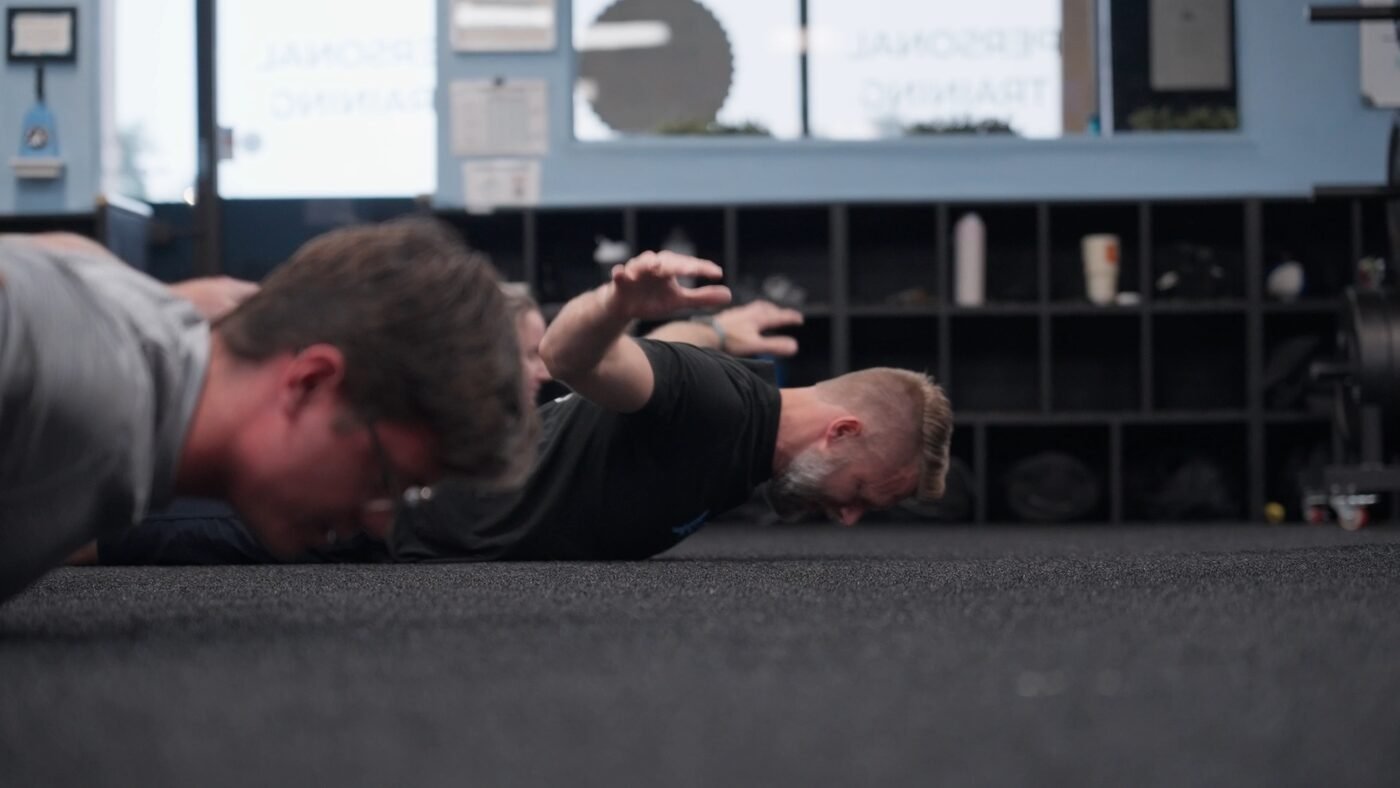
Trainer Introduction Videos: People Buy the Person Before the Program
Here is something I have observed across hundreds of fitness businesses: members don't really join gyms. They join trainers. The facility matters. The equipment matters. The location matters. But the moment someone decides this is the place for them, it almost always traces back to a person — a trainer, a coach, an instructor — who they felt connected to before they ever walked through the door. Trainer introduction videos are how you engineer that connection at scale.
A trainer intro video is not a resume on camera. It is not a list of certifications delivered to a lens. It is a two-to-three-minute window into who this person is — why they got into fitness, what they believe about helping people, what it feels like to train with them. When someone watches a trainer's intro video and thinks "I want to work with that person," you have already done most of the hard work of acquiring a member. The tour, the trial class, the contract — those are formalities. The decision was made watching the video.
What to Include in a Trainer Intro Video
- Their personal story with fitness — what drove them to become a trainer, including any struggles they overcame
- Their training philosophy in plain language — not credential-speak, but what they actually believe about how people get results
- A specific example of a client transformation they're proud of (with permission)
- What a typical session looks and feels like — B-roll of them coaching, not just talking
- Why they work at your specific gym and what the community means to them
- A direct invitation — something along the lines of "if this resonates with you, come try a session"
The production setup matters here too. Trainer intro videos shot in the gym itself perform better than those shot in a studio or against a blank wall. You want the environment visible — the equipment, the space, the energy. Film some of it with the trainer actually coaching, not just sitting still talking. The most effective format is interview-style talking head footage intercut with action footage of the trainer doing what they do. Keep the edit under three minutes. Post it everywhere: website trainer profile pages, Instagram, YouTube, and most importantly, the Facebook and Instagram ad targeting people within 10 miles of your location who have expressed interest in fitness.
Class and Program Showcase Videos: Show the Experience, Not the Features
Every fitness business makes the same mistake when describing their classes and programs: they lead with features. "Our HIIT class runs 45 minutes with 30 seconds on, 15 seconds off, using a circuit of 8 stations including assault bikes, rowing machines, and functional training equipment." That paragraph will not make a single person want to show up at 6am on a Tuesday. What will make someone show up is watching 90 seconds of that class in motion — the energy, the music, the coach, the people, the way the room feels at peak intensity.
Class showcase videos should be built around feeling, not logistics. The logistics (time, format, equipment) belong on your website's class description page. The video's job is to answer one question: what is it like to be in that room? If you shoot it right, you capture the answer to every other question at the same time. Prospective members watching your class showcase video are conducting a very specific form of due diligence: they are trying to figure out whether they would be comfortable there, whether people like them go there, and whether the energy is something they want to be part of. Show them the answer.
One Video Per Program
I strongly recommend creating a dedicated showcase video for every distinct program or class type you offer. A yoga studio that has a single "gym video" is leaving a significant amount of conversion opportunity on the table compared to a studio with separate 90-second showcase videos for their Vinyasa Flow, Restorative, Hot Yoga, and Beginner Fundamentals classes. Each video can target a specific audience and address specific motivations. The Restorative class video speaks to people dealing with stress and burnout. The Beginner Fundamentals video speaks to someone who has never done yoga before and is embarrassed to join a regular class. These are different people, and they respond to different messages.
Ready to Show What Your Gym Is Really About?
We've helped fitness brands across Central Florida build video libraries that fill classes and retain members. Let's talk about what's right for your studio.
Book a Free CallNo contracts. No pressure. Just a real conversation.
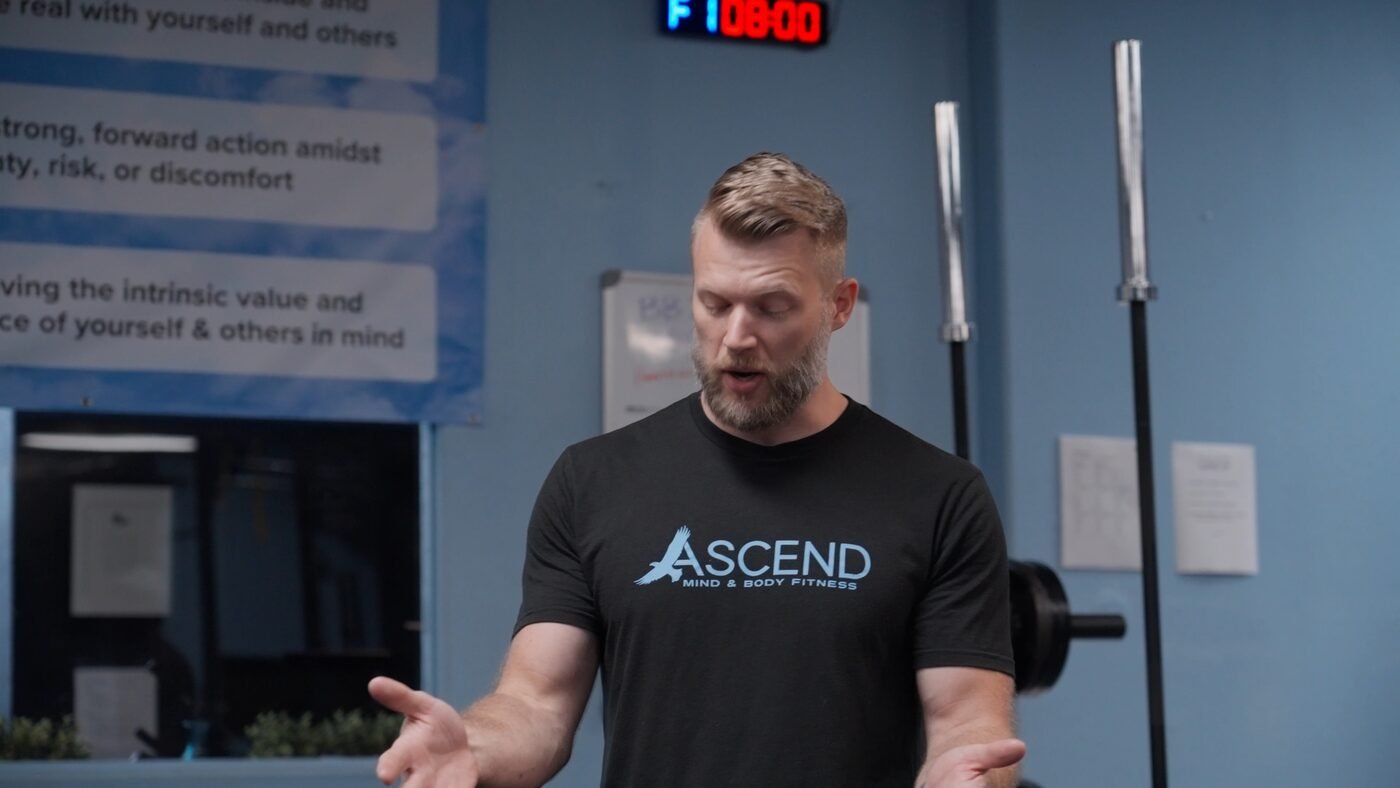
Member Spotlight Videos: Community as Your Marketing Strategy
Member spotlight videos are different from transformation videos in an important way. A transformation video is primarily a before-and-after story with a results focus. A member spotlight is a character study — it's about who this person is, how they fit into the community, and what the gym means to them as part of their life. The results may come up, but they're not the point. The point is the person and their relationship to the place.
Why does this matter for marketing? Because one of the primary reasons people don't join a gym — especially boutique studios — is social anxiety. They look at your Instagram, and they see only the people who are already fit, already confident, already clearly "in." That's intimidating. A well-executed member spotlight that features a wide range of members — different ages, body types, fitness levels, backgrounds — signals to a prospective member that there is space for them here. Inclusivity in your member spotlight library is not a political statement. It is a conversion strategy.
Shoot member spotlights quarterly. Rotate through different member profiles. Interview them in the gym during or after a session — that's where they're most natural and most connected to the community you're trying to show. Keep them short (90 seconds to two minutes) for social media, and consider producing a slightly longer version (four to five minutes) for your YouTube channel where longer-form content builds deeper connection. Tag the featured member in every post — they will almost always share it, which means your content reaches their entire network. That's free, warm referral traffic.
Gym Video Content Planner by Goal
Different business goals call for completely different video strategies. A gym that needs to fill an empty afternoon class needs different content than a gym trying to reduce its 30-day cancellation rate. Use the tool below to get a custom content plan based on what you're actually trying to accomplish right now.
Energy and Culture Videos: The Most Underused Asset in Gym Marketing
Every gym has a personality. Most of them fail to show it on camera. The mistake is thinking that marketing means only polished, produced content — that everything has to be lit perfectly and scripted carefully before it goes in front of potential members. The result is a feed full of clean but lifeless content that looks exactly like every other gym in the market. The gyms that win on social media are the ones that capture the real thing: the 5am tribe, the trainer who celebrates every PR like it's a world record, the member who's been coming for three years and knows everyone's name, the last-minute pushes in Saturday class.
I call these energy and culture videos, and they can range from fully produced behind-the-scenes gym floor footage to rough, authentic short-form clips shot on a phone. Both have a place. Professionally produced gym floor footage — wide shots, close-ups on faces and equipment, dynamic movement — creates powerful hero content for your website and paid ads. Raw, authentic short clips shot during actual classes create the social proof signal that you're a real, active community that people actually want to belong to.
What to Shoot for Culture Content
- Opening hour of the gym — the regulars arriving, the routine, the community in motion
- Class climaxes — the final set, the moment everyone finishes together, the group reaction
- Member PR moments — first pull-up, new personal record, completing a challenging program
- Trainer coaching interactions — the cue, the correction, the celebration
- Seasonal gym moments — New Year's first week, summer challenge kickoffs, holiday workouts
- The staff — setup before class, equipment prep, the moments between classes where people talk
The key is capturing these things consistently. One viral gym floor video is nice. A steady stream of authentic culture content creates the cumulative impression that your gym is alive and worth being part of. That impression is built over months of consistent content, not a single campaign. Pair a phone for day-to-day shooting with quarterly professional video shoots and you will build one of the strongest content libraries in your local market.
"Consumers don't decide to join a gym based on equipment lists. They decide based on whether they can picture themselves there — and video is the only marketing format that gives them that picture."
Platform Strategy: Where to Post Your Gym Videos
Different platforms serve completely different purposes in a fitness video marketing strategy. Treating them all the same is a fast way to underperform everywhere. Here is how I advise fitness clients to think about each platform — and for the full social media video strategy guide, I have a dedicated article that goes much deeper on the platform-by-platform breakdown.
Instagram: Where Fitness Lives
Instagram is the dominant platform for gym and fitness studio marketing, full stop. The audience skews exactly toward the demographics most likely to join a gym, the Reels algorithm actively amplifies fitness content to non-followers, and the visual nature of the platform is perfectly suited to fitness video. Your Instagram strategy should be built around Reels (short-form, high-energy, 15-60 seconds) for reach, Stories for community-building and day-to-day authenticity, and the permanent grid for your most polished showcases and transformation stories. Post Reels at least three times per week. Stories daily if you can maintain it. Every class highlight, every member milestone, every trainer tip — Instagram first.
YouTube: Long-Term Authority
YouTube is where you build the long-term organic presence that Instagram can never provide. A well-optimized YouTube channel with 50 videos — workout tutorials, class overviews, member interviews, trainer profiles, nutrition basics — becomes a search engine asset that drives traffic to your gym's website for years without additional spend. Gym video marketing on YouTube is a slower burn than Instagram, but the traffic it generates is often higher intent: people searching "HIIT gym Deltona" or "personal trainer Orlando" on YouTube are actively looking, not just scrolling. Do not overlook YouTube. It is the second-largest search engine on the planet and most local gyms have essentially zero presence there.
Facebook: Paid Targeting Still Works
Organic Facebook reach for gyms is essentially dead. But Facebook advertising — specifically video ads targeting people within a defined radius of your location who have expressed interest in health and fitness — remains one of the most cost-effective member acquisition tools available. Your gym floor footage, class showcases, and trainer intro videos make excellent Facebook ad creative. A 30-second class highlight with a clear offer (first week free, complimentary trial class) targeting a 5-mile radius around your gym will out-convert almost any static image ad you run.
TikTok: High Reach, Younger Demographic
TikTok has enormous organic reach for fitness content, and if your target demographic skews under 35, it is worth serious investment. The platform rewards authenticity and entertainment over polish — raw gym floor content, trainer personality clips, and fitness challenges tend to perform exceptionally well. The caveat: TikTok requires high posting frequency (daily or near-daily) to build meaningful presence, and the content style is distinct enough from other platforms that you should only commit if you have the capacity to do it consistently.
Posting Frequency: The Honest Answer
- Instagram Reels: 3–5x per week for meaningful algorithm traction
- Instagram Stories: daily, even if it's just a quick behind-the-scenes clip
- YouTube: 1–2x per month minimum; consistency matters more than frequency
- Facebook: 3x per week organic posts; run ads continuously with fresh creative monthly
- TikTok: 5–7x per week if you commit to the platform; otherwise skip it
Fitness Seasonal Campaign Calendar
Fitness marketing has a natural seasonal rhythm. Knowing when to push which message is one of the biggest advantages you can have over gyms that just post randomly. The calendar below shows the key fitness marketing moments throughout the year. Click any month to see the campaign theme, recommended video type, and a specific video concept you can start planning right now.
Gym Video Marketing in Central Florida: A Different Kind of Market
I want to speak directly to fitness businesses in the Orlando metro and surrounding areas because the Central Florida market has some specific characteristics that shape how video marketing should be deployed here. I'm based in Deltona, and I've worked with fitness clients from Kissimmee to Daytona Beach, from Lake Mary to the heart of Orlando. This market is not like other markets, and if you're treating your video strategy like generic national fitness marketing advice, you're leaving local opportunity on the table.
First: the Central Florida fitness market is extremely competitive and extremely fragmented. The sheer density of fitness options — from the big-box chains to franchise boutique studios to independent gyms to personal training operations to CrossFit boxes — means the average prospective member has more choices than almost anywhere else in the country. That competition means differentiation is not optional. Your video content is one of the primary ways you establish that your gym is categorically different from the place two miles down the road. If your content looks generic, you lose before the conversation starts.
The Orlando Area's Health-Conscious Demographics
Central Florida has a younger-than-average population, a strong outdoor recreation culture driven by the year-round warm weather, and significant pockets of health-conscious demographics — particularly in the I-4 corridor communities, the growing Deltona/Daytona Beach Shores area, and the professional communities around Lake Mary, Sanford, and Winter Park. This population is visually sophisticated. They consume a lot of social media, they are accustomed to high-quality visual content from the hospitality and theme park industry that dominates this region, and they can tell the difference between content that was produced with care and content that was shot on a phone in a parking lot.
That means the production bar in this market is genuinely higher than in smaller markets. Content that would work fine in a mid-size Midwest city may not cut through in Orlando because your prospective members are surrounded by world-class visual content every day. This is not an argument for spending recklessly on video production — it is an argument for spending strategically. A handful of professionally produced hero videos, consistently supported by authentic day-to-day content, is the combination that works.
Seasonal Peaks in a Year-Round Fitness Market
Unlike northern markets, Central Florida doesn't have a dramatic winter trough in gym membership. People are exercising year-round because the climate allows it. But the motivational peaks still follow the national calendar: January brings the resolution rush, May and June push hard on summer body goals, and September sees the back-to-routine wave after summer travel. What is different here is that the competition for attention around those peaks is fiercer because every gym in the market is pushing hard at the same time. The gyms that prepare content in advance — that have their January campaign videos shot and ready by December — are the ones that capture that peak traffic instead of scrambling to produce something in the first week of the new year. For more on small business video marketing strategy that extends beyond fitness, the concepts apply directly.
What Professional Video Production Actually Adds to Gym Marketing
There is a real question fitness business owners ask when they start thinking about video production: do I actually need a professional, or can I just use my phone? The honest answer is: both, and in the right order. Here is how I think about it after producing videos for fitness businesses for a decade.
Your phone is the right tool for day-to-day content — Stories, quick Reels, behind-the-scenes moments, member celebrations, trainer tips. That content should be authentic and frequent, and it doesn't need to look like it was produced by a video company. It should look like it was captured by someone who is actually there, living in the community they're documenting. That authenticity is the point.
Professional video production adds something that phone content cannot deliver: a cinematic quality that creates a premium perception of your brand, and technical quality that allows your content to perform in paid advertising without technical limitations. When you shoot a hero video for your website's homepage, a flagship class showcase for Instagram ads, or a transformation story intended to run in a paid campaign, the quality of that production signals the quality of your service. People make unconscious associations between production value and business quality. A prospective member who watches a beautifully shot, professionally edited class highlight will assume your classes are run with the same level of care and professionalism. That assumption drives conversion.
The real ROI math: If a professionally produced gym video costs $1,500–$2,500 and it converts two or three new members who each pay $100/month for a year, you have recovered your investment from those three members in four to eight months — and the video keeps working. Most quality fitness videos remain relevant for 18 to 36 months before needing to be updated. When you spread that cost across the full deployment lifetime, the per-month cost of a professional video is often less than a single month's digital ad spend.
There is also the matter of what professional video enables that DIY cannot: high-performance paid video advertising. The platforms that drive the most member acquisition — Meta's Instagram and Facebook ad network, YouTube pre-roll, and Google Display — have quality thresholds that DIY content often fails to clear. A poorly lit, shaky video will have lower delivery rates and higher cost-per-click than professional content. Your ad spend goes further when the creative is strong. That is not a minor detail — it compounds across every dollar you spend on paid acquisition.
My recommendation for fitness businesses at most stages: produce two to four professionally shot hero assets per year — a gym floor showcase, a flagship class highlight, one or two transformation or member story videos. Supplement those with consistent, authentic phone content the rest of the time. That combination gives you both the quality signals that build premium brand perception and the volume and authenticity that platforms reward with organic reach. If you want to talk through what the right mix looks like for your specific gym and budget, I'm always happy to have that conversation.
Building a body of video content is not a one-time project — it is a continuous commitment to showing your community what your gym is actually about. The gyms that win in Central Florida's crowded fitness market over the next five years will be the ones that understood this early and built the habit of consistent, quality video before their competitors did. The equipment they buy will become outdated. The programs they run will evolve. But the story of who they are and what they stand for — that story, told on video, compounds every month it exists.