Every type of video production gives you options. You can reschedule an interview. You can reshoot a product demo. You can do another take of a talking-head segment if the first three weren't right. Event videography gives you exactly none of those options. The speeches happen once. The grand opening ribbon gets cut one time. The award is presented, the crowd reacts, the moment ends — and it either exists on camera or it doesn't. After ten years and more than 1,000 videos produced for businesses and organizations across Central Florida, I can tell you that no other production context requires the same level of preparation, anticipation, and precision as a live event.
This guide is everything I know about event videography done right — from the business case for investing in it, to the specific deliverables you should ask for, to the mistakes that cause event hosts to leave the edit bay disappointed. Whether you're running a corporate conference in downtown Orlando, a nonprofit fundraiser in Deltona, or a grand opening in Lake Mary, the principles here apply directly to you.
Why Event Video Is Different from Every Other Type of Production
Most types of video production are forgiving. The shoot day is a controlled environment where problems can be identified and corrected in real time. You don't like the framing? Reset and go again. The audio sounds off? Stop rolling and fix the mic. The subject isn't connecting with the camera? Give them a break, redirect, and pick it back up. Events don't work that way. At a live event, the camera follows the world — the world doesn't pause for the camera.
This makes event videography a fundamentally different craft than controlled production. It requires a different type of videographer: someone who reads a room, anticipates motion, understands sequencing, and knows from experience what a particular type of moment looks like three seconds before it happens. The keynote speaker who gets emotional isn't going to announce it in advance. The executive who says the thing everyone in the room needed to hear isn't going to repeat it. The spontaneous group reaction in the back of the ballroom will last four seconds. You either have that shot or you don't.
This is also why the preparation phase matters more for event video than for almost any other kind of production. Because you can't fix the moment after it passes, everything that can be controlled — positioning, access, run-of-show, crew size, backup equipment — needs to be locked in before the doors open. The quality of the final video is largely determined in the days before the event, not during it.
The one-shot rule: Treat every moment at a live event as if it will never happen again — because it won't. The events that get captured beautifully are the ones where the videographer was prepared to find those moments. The ones that come up short almost always trace back to a preparation gap, not a production gap.
There's also a tonal difference. Event video has to capture not just what happened, but what it felt like to be there. The energy of a crowd, the texture of the room, the way two colleagues laugh at an inside joke during a break session — these ambient, atmospheric moments are what separate event video that transports viewers from event video that merely documents. That tonal intelligence can't be faked and can't be taught in a single project. It comes from experience.
The Business Value of Event Video
A lot of organizations invest in events and never invest in documenting them. They spend $15,000 on a corporate conference — the venue, the catering, the A/V, the speakers — and then they have no lasting record of what happened beyond a folder of phone photos on someone's camera roll. That's a significant missed opportunity, and it's one I see repeatedly across the Central Florida business community.
Event video is not just a memento. It is a marketing asset, a recruiting tool, a culture artifact, and a proof-of-concept for your organization — all at once. Here's how it breaks down.
Proof and Credibility
A well-produced event video tells a story that's almost impossible to fake: other people showed up. Other people invested their time and attention in what you're doing. The quality of an event — the room, the energy, the caliber of speakers and attendees — communicates organizational authority. When a prospect sees footage of a packed room, engaged attendees, and professional execution, they read it as a signal of legitimacy that no copy on a website can replicate. Showing is always more persuasive than telling.
Culture and Recruiting
Company culture is one of the hardest things to communicate to job candidates before they're hired. Event video is one of the best tools available for bridging that gap. When a prospective employee watches a company retreat video and sees real people laughing, collaborating, and visibly invested in what they're doing together — that is a recruiting argument that a job posting simply cannot make. The best culture videos don't look like they're trying to sell anything. They look like a window into what this organization actually is.
Marketing Content That Compounds
A single day of event filming can yield months of marketing content. The keynote address becomes a long-form YouTube video. The most quotable moments become social clips. The b-roll of the venue becomes background for promotional graphics. The speaker interviews become testimonials. The highlight reel becomes a promotional video for next year's event. Organizations that think about event video this way — as a content production opportunity rather than a documentation formality — extract dramatically more value per dollar invested.
Extending Event Reach Beyond the Room
Not everyone who should see your event can attend it. Your event video is how you bring the experience to the people who couldn't be there — board members, remote team members, customers who couldn't make the date, prospects who didn't know about it, media who didn't cover it. A great event video doesn't just preserve what happened; it expands the audience for it exponentially. Events that used to reach 200 people in a room can reach 20,000 people online if the video is produced well and distributed with intention.
"People will forget what you said, people will forget what you did, but people will never forget how you made them feel."
That quote lives at the heart of what good event video does. The video doesn't just document the facts of what happened — it captures the feeling. When a viewer who wasn't at the event watches your highlight reel and says "I wish I had been there," you've succeeded. When next year's registrations spike because people saw last year's video, you've built a marketing flywheel. That's the standard worth aiming for.
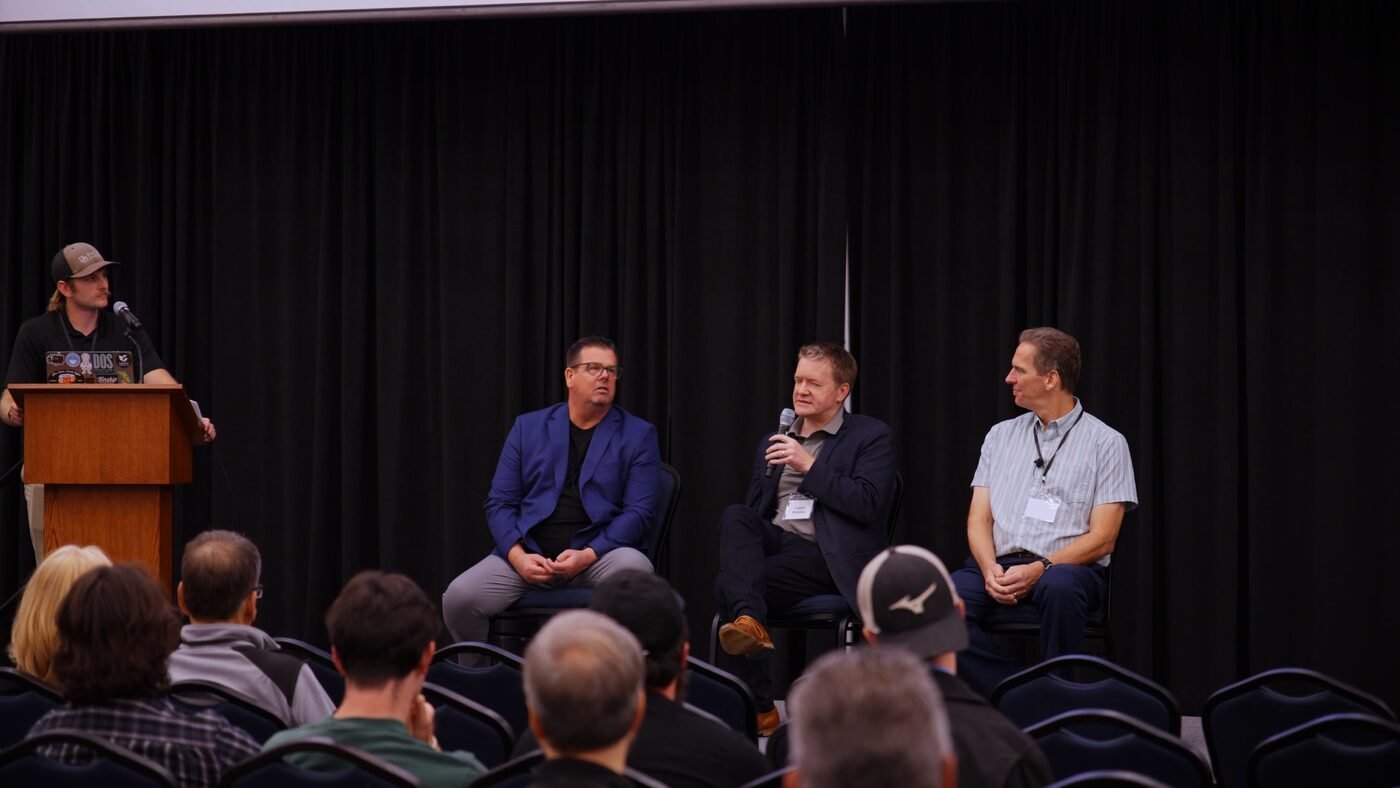
Types of Event Deliverables and How to Choose Them
One of the most common points of confusion for event clients is understanding what they're actually asking for when they hire a videographer. "An event video" is not a specification — it's a category. Within that category are a dozen distinct deliverable types, each with a different purpose, audience, distribution channel, and production requirement. Choosing the right deliverables before the event is one of the most important decisions you'll make, and it shapes every production decision that follows.
Use the planner below to see the specific deliverables, crew recommendations, shooting approach, and investment range for your event type.
A few things worth emphasizing about deliverable selection. First, the primary deliverable — the hero video — is not the only asset you should plan for. The social clips and short-form content typically reach more total eyeballs than the full-length piece, and they're produced from the same footage. If your videographer isn't planning for them from the start, you're leaving distribution potential on the table. Second, testimonial pull quotes captured at events are some of the most natural, authentic interview content you can get — attendees are energized, the context is clear, and the emotional stakes are real. Build interview slots into your run-of-show.
Have an Event Coming Up? Let's Talk Coverage.
We'll walk through your event format, deliverable needs, and what a production plan looks like for your specific situation — no pressure, no commitment.
Book a Free CallNo contracts · No pressure · Just a real conversation
How to Prepare Your Videographer for Maximum Results
Even the most experienced event videographer is only as effective as the information you give them before the event starts. I've filmed events where the client handed me a full run-of-show, walked me through the venue the morning of, introduced me to the key contacts, and flagged the three moments they absolutely needed captured. Those events produced exceptional footage. I've also filmed events where I was handed a room key and a start time. The footage from those events was fine — but it wasn't what it could have been.
Preparation is a two-way street. As the event organizer, your job is to make sure your videographer has every piece of information they need to make good decisions in real time. Here's what that looks like in practice.
The Brief: Non-Negotiable Starting Point
Every event engagement at Bright Valley Media starts with a written brief. This isn't a formality — it's the single most important document in the production process. A good event brief includes: the purpose of the event and the intended audience for the final video, the key moments that must be captured (awards, announcements, ribbon cuttings, specific speakers), the names and roles of VIPs or key subjects, any moments or people that should NOT appear in the final video, the intended use of the footage, and the delivery timeline. That last point matters more than most clients realize. The editing workflow for a same-week social clip is completely different from a polished 5-minute highlight reel. The videographer needs to know which one they're building toward before they step foot in the venue.
The Venue Walkthrough
I never walk into an event venue for the first time on the day of the event if I can avoid it. The venue walkthrough — ideally done the morning of or the day before — is how I learn the lighting conditions at different times of day, identify the best camera positions for the main stage, discover which hallways will be high-traffic during breaks, find the power outlets and A/V setup points, and assess the acoustic environment. This walkthrough changes production decisions in ways that are simply impossible to compensate for on the fly. If your videographer is not asking for a walkthrough, ask yourself why.
Run-of-Show and Key Moments
The run-of-show document is the event videographer's roadmap. Knowing exactly when the keynote starts, when the award presentation happens, when the Q&A begins, and when the networking session opens allows the crew to be positioned correctly in advance of each moment rather than scrambling to react after it starts. If your event has a run-of-show document — and every event above a certain complexity should — share it with your video team as early as possible. If schedule changes happen on the day, the first person to know should be the videographer.
The access rule: Your videographer needs physical access to the moments they're supposed to capture. If the awards presentation is happening in a corner of the room and your videographer is blocked by round tables, you will not get the shot. Think through camera positioning for each key moment and make sure the event layout accommodates it. A five-minute conversation about this before the event prevents a permanent gap in your footage.
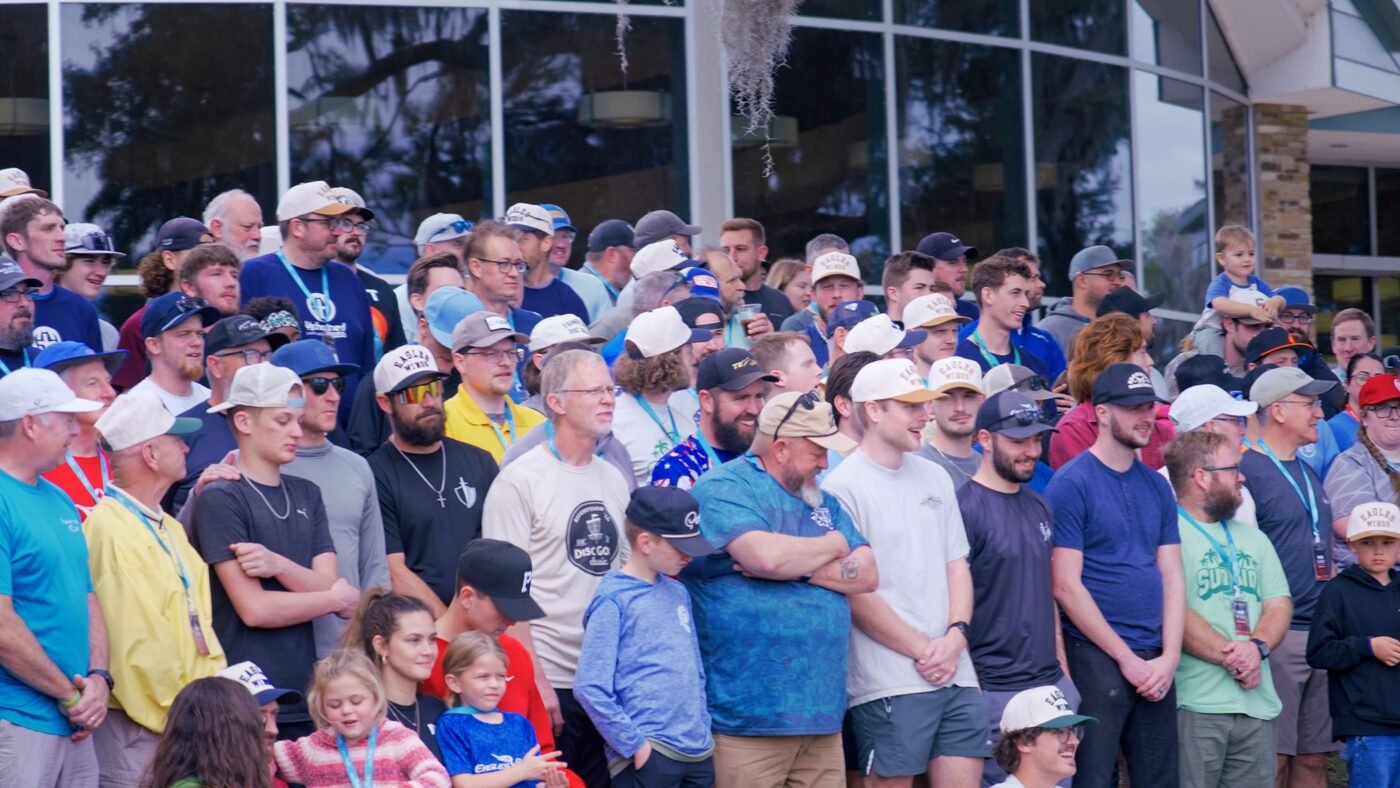
Mistakes Event Hosts Make (That Cost Them in the Edit)
After a decade of event videography across the Orlando area and broader Central Florida, I've seen the same avoidable mistakes show up over and over. These aren't failure of videography — they're failures of planning that no amount of skill behind the camera can compensate for. Here are the ones that cost clients the most.
The Wrong Brief (or No Brief at All)
The brief is where the expectations get set. When the brief is vague — "get coverage of the event, we'll figure out the video later" — the videographer films what they can and the client edits their expectations backward from whatever footage exists. This is backwards. The deliverable defines the shooting strategy. If you know you need a 90-second highlight reel for social media, the shooting approach is completely different than if you need a 10-minute documentary-style recap for your annual report. Get the end goal clear before the event. Briefs don't need to be long — they need to be specific.
Not Allowing Access
I've had clients book full-day event coverage and then discover on the day that the videographer wasn't allowed on stage, wasn't permitted in the green room for speaker warm-ups, couldn't set up in the front of the room, or was asked to stop filming during the most emotionally significant moments of the event. All of these access limitations produce the same result: gaps in coverage that cannot be recovered. If you are hiring a videographer, grant them the access they need to do the job. That might mean a quick conversation with venue management about filming permissions, or introducing the video crew to the event coordinator so they're not questioned every time they move. This takes ten minutes and prevents hours of lost footage.
No Plan for Footage Use
Here's a scenario I've lived through more than once: the event is filmed, the footage is delivered, and then it sits on a hard drive for six months because nobody has a plan for what to do with it. The edit never happens. The clips never get posted. The recording of the keynote never goes on YouTube. The highlight reel never gets built. This is a complete waste of the investment and it happens entirely because the footage use plan wasn't established before the event. Decide before you hire the videographer: who is responsible for the edit, what specific deliverables you need, and what the deadline is for each. Write it down. Put it in the contract.
Underestimating Crew Size
A single camera operator can cover a single thing at a time. If your conference has a main stage, a networking area, and a breakout session happening simultaneously — and you've booked one person — you are guaranteeing coverage gaps. Multi-location or multi-moment events need multi-person crews. The incremental cost of a second or third camera operator is almost always worth it when you weigh it against the cost of the event itself and the footage you're trying to capture. Don't let the video budget be the constraint that limits coverage of a $20,000 event.
No Music Plan
Highlight reels need music. Social clips need music. Promotional videos need music. If you want to use commercially released songs in your video — even in a YouTube upload — you need the appropriate licensing, or the video will be muted, flagged, or taken down. This is not a technicality; it is a genuine constraint that affects the final product. Plan for music before the edit begins. Options include licensed music libraries (Epidemic Sound, Musicbed, Artlist), original commissioned music, or royalty-free tracks. Your videographer should be helping you think through this, but the ultimate responsibility is yours as the client to know your intended platforms and their licensing requirements.
Event Video Production Checklist
Over hundreds of events, we've refined the preparation and execution workflow down to a set of checkpoints that, when hit, consistently produce better footage and smoother post-production. Use this checklist for your next event — whether you're the videographer or the event organizer coordinating with one.
The checklist above might look like a lot, but most of these items are five-minute tasks. The pre-event items are where the real leverage lives — every item completed before the event reduces the chance of a gap in coverage during it. I'd also add one meta-item to this list that doesn't fit neatly into a checkbox: communicate early and often. The event videographer who feels like a partner in the production process — not a vendor who shows up and points a camera — will always deliver better work.
How to Use Event Footage Across Channels
The biggest mistake I see organizations make after an event is treating the video as a single, monolithic piece of content. They produce the highlight reel, post it once on LinkedIn, and call it done. That same footage, properly sliced, formatted, and distributed, could fuel a content strategy for six to eight weeks across multiple platforms. Here's how to think about event footage as a content library, not a single deliverable.
Long-Form Content: YouTube and Your Website
Full keynote recordings, panel discussions, and workshop sessions belong on YouTube. These are long-form assets that serve an audience who wants depth and substance — the same audience that will eventually become your highest-value customers or attendees. YouTube's search indexing also means this content works passively over time; a keynote address from your conference can continue generating views and subscribers for years after the event. Upload the full session with chapters, a detailed description, and relevant tags. For your YouTube strategy, event content is some of the easiest organic content to produce because the production work is already done.
Short-Form Social: Reels, Shorts, TikTok
The highlight reel is not short-form content — it's a different product. Short-form event content is a 30 to 90-second clip built around a single moment: one powerful quote from the keynote, one audience reaction shot, one behind-the-scenes setup moment, one interview answer that stands alone. These clips should be shot-listed before the event with short-form in mind. Vertical framing, clean audio, captions on screen — these are not afterthoughts in the edit, they are production decisions that need to be made during shooting.
Email Marketing
Post-event email recaps are significantly more engaging when they include video. A thumbnail image linking to the highlight reel in your thank-you email to attendees drives replay views and social sharing. An email to your broader list featuring the event video works as both a content touchpoint and a conversion nudge — "here's what we're doing, here's who was in the room, here's what's coming next." For organizations that run recurring events, this email is also the first piece of marketing for next year's event. The footage makes that email credible.
Internal Communications and Recruiting
Event culture video belongs in your internal communications. A company retreat video shared in your all-hands Slack channel, or embedded in the onboarding materials for new hires, communicates organizational identity in a way that no policy document can. For recruiting, event video is among the most persuasive assets you can put in front of a job candidate who is evaluating whether your organization matches their values. The cost of producing a strong culture video is often a fraction of a single recruiter fee. Consider it accordingly.
Paid Advertising
Event footage makes compelling paid ad creative, particularly for B2B audiences on LinkedIn and Facebook. A 30-second clip of a packed conference room with a strong speaker moment, or a product launch with genuine audience energy, communicates social proof in a format that a static ad simply cannot. Event footage ads also tend to feel native to the feed — they look like something a person shared from their experience, not like an advertisement — which drives better engagement rates. If you're investing in paid distribution, event video creative is worth testing.
"We see our customers as invited guests to a party, and we are the hosts. It's our job every day to make every important aspect of the customer experience a little bit better."
That mindset applies directly to event video. The attendee who came to your event was a guest. The person who watches the video afterward is also a guest. The footage is the bridge between those two experiences — and when it's produced and deployed with care, it extends the impact of the event far beyond the walls of the venue and the hours of the program.
The Central Florida Event Landscape
Central Florida is one of the most active event markets in the country — and a large percentage of that activity happens at the corporate, nonprofit, and community level rather than the tourism and entertainment level that Orlando is most known for. The event videography needs in this region are as diverse as the organizations running events here, and understanding that landscape shapes how I approach every production.
Corporate Events and Conferences
The Orlando metro area hosts a significant number of corporate conferences, sales kickoffs, and company events year-round — many of them tied to the major employers in healthcare, technology, defense, and hospitality that anchor the regional economy. These events typically need the full deliverable stack: a polished highlight reel for internal communications, speaker recordings for distribution to non-attendees, social clips for LinkedIn and email, and interview pulls from attendees and executives. Orlando event videography at this level requires a crew that understands corporate production values — clean, professional, brand-appropriate — while still capturing the human moments that make the video watchable.
Nonprofit Fundraisers and Charity Events
Nonprofits across the Volusia, Seminole, and Orange County area are increasingly sophisticated about using event video as a fundraising and donor cultivation tool. A well-produced gala or fundraiser video does several things simultaneously: it shows donors that their money is supporting a professionally run organization, it provides emotional storytelling content for social media and future appeals, and it documents impact in a way that grant applications and annual reports often can't. The emotional register for nonprofit event video is different from corporate — it needs to carry weight. The footage choices, the music, the interview content — everything serves the mission narrative.
Grand Openings and Community Events
Across Deltona, DeLand, Sanford, and the surrounding communities, local businesses regularly mark grand openings, anniversary milestones, and community events that deserve professional documentation. These are often the events with the highest concentration of authentic human energy — the ribbon cutting that represents years of work, the community turnout that shows what this business means to the neighborhood. A great grand opening video is a time capsule and a marketing asset in equal measure. For businesses investing in a Deltona or Central Florida presence, this footage becomes foundational content that can anchor web, social, and local PR efforts for months.
Trade Shows and Industry Expos
Central Florida's convention infrastructure — the Orange County Convention Center alone ranks among the largest in the country — means that trade shows and industry expos are a regular part of the regional event calendar. Trade show videography requires a specialized approach: rapid movement between spaces, an eye for energy and interaction at booth level, quick interview setups, and an understanding of how to capture a brand's presence in a chaotic environment. The deliverables here tend to be shorter and more social-media-forward than conference coverage — the goal is to show that the company was present, credible, and active.
Bright Valley Media's Event Experience
I started Bright Valley Media in Deltona, Florida because I wanted to do work that mattered — work that served real organizations doing real things in their communities. Events have been a significant part of that work from the beginning, and over the past decade they've become one of the production contexts I care most about getting right. There's something about the stakes of a live event — the irreversibility of each moment, the trust a client places in you to catch what they can't — that I find genuinely meaningful.
We've covered nonprofit fundraisers where the video became the centerpiece of next year's donor campaign. We've filmed company retreats where the culture video ended up in new employee onboarding. We've documented grand openings for local businesses that had spent years getting to that moment, and we've filmed corporate conferences where the speaker recording became the most-shared piece of content the organization produced all year. Each one of these projects taught me something about how event video works when it's done with care and preparation.
What we bring to every event engagement is not just equipment — it's a production philosophy built on a decade of live-event experience. We show up prepared, we communicate extensively before the first camera rolls, we anticipate rather than react, and we think about how the footage will be used before we decide how to capture it. That approach is what our clients describe when they talk about what makes working with us different from hiring a videographer who just shows up and points a camera.
Faith shapes how I work, too. I believe the moments I capture matter — not just as marketing assets, but as records of people doing meaningful things together. When an organization invests in an event and trusts us to document it, I take that seriously. The footage we deliver represents real people, real work, and real community. That's not just a product. It's a responsibility.
Our event approach in brief: Written brief and shot list before every engagement. Venue walkthrough whenever possible. Multi-camera for any event with more than one simultaneous moment worth capturing. Backup audio on every shoot. Footage backed up same-day. Clear deliverable timeline agreed before the edit begins. That's the standard we hold ourselves to on every project, from a small business grand opening in Deltona to a full-day conference in Orlando.
If you have an event coming up — whether it's six weeks out or six months out — the best time to start the conversation is now. Pre-production planning takes time, venue walkthroughs have to be scheduled, and good event videographers book up fast in the Central Florida market, especially during the spring conference season and fall fundraiser calendar. A brief initial call costs nothing and typically answers the most important questions in under thirty minutes.