Most businesses know they need video. Fewer know what kind of video actually changes how people see them. Over the last ten years, producing more than 1,000 videos for businesses across Central Florida, I've watched companies spend money on the wrong kind of video — product demos, social clips, explainer animations — while their most valuable story sat completely untold. A brand video, done right, is different from every other format. It doesn't explain what you sell. It explains why you exist. And that distinction is everything.
This guide is everything I know about brand video production in Florida — what a brand video actually is, what separates a good one from a forgettable one, what different budget levels realistically deliver, and how to measure whether your investment is working. I'm going to be honest about costs, honest about what you can expect at each price point, and honest about the work required on your side to make this kind of project succeed. If you're considering a brand video, or if you've been burned by a generic one that didn't do anything for your business, read this first.
What Is a Brand Video (and What It Isn't)
A brand video is not a product demo. It's not a testimonial compilation. It's not an explainer video walking through your service offerings. Those are all valuable formats, and we produce all of them — but they serve a different purpose. A brand video answers a single question that every prospective customer is quietly asking: Why should I trust this company with something that matters to me?
Where a product video shows what you sell, a brand video shows who you are. Where an explainer video describes your process, a brand video conveys your values. Where a testimonial proves that you deliver results, a brand video creates the emotional context that makes those results feel trustworthy before the viewer has ever heard from a customer. It operates at the level of identity — yours as a business, and the customer's as someone who cares about certain things.
The Three Formats People Confuse
Product / service video: Shows features, benefits, and process. Answers "what do you do and how does it work?" Best for: bottom-of-funnel prospects who already know they want this category of product. Typical length: 60–90 seconds.
Testimonial video: Shows real customers explaining their experience and results. Answers "can I trust that this company delivers?" Best for: mid-funnel prospects comparing options. We've written a full guide to customer testimonial videos if you want to go deep on that format. Typical length: 60–120 seconds.
Brand video: Shows the origin, mission, people, and values of the company. Answers "do I want to do business with this kind of organization?" Best for: top-of-funnel brand building, homepage hero, sales support, investor and partner conversations. Typical length: 90 seconds to 3 minutes depending on scope.
A useful test: If you removed all mention of your specific product or service from the video and it could still move someone to trust your company — that's a brand video. If it falls apart without the product details, it's a product video. Both are legitimate. They do different jobs.
The reason brand videos matter so disproportionately isn't that they're fancier than other formats. It's that they operate at a level most business marketing never reaches: the level of relationship. People don't do business with companies. They do business with people they trust. A brand video, done right, creates that trust before the sales conversation ever begins. I've seen it change the entire dynamic of a prospect call for clients here in Deltona and across Central Florida — the prospect already knows the story, already resonates with the mission, and arrives ready to say yes.
The Elements of a Compelling Brand Story
Every brand story, regardless of the industry or the size of the company, has the same structural DNA. The businesses that tell it well understand these elements intuitively. The ones that struggle with brand video tend to skip one or more of them and end up with something that looks polished but doesn't connect. Here's what has to be in there.
Origin
Where did this business come from, and why did it need to exist? The origin isn't just chronological history — it's the tension that created this company. The founder who couldn't find the service they needed. The opportunity nobody else was addressing. The calling that wouldn't leave someone alone. The family legacy that was worth carrying forward. Your origin is the first answer to "why should I care?" If viewers don't understand why you started, they have no framework for understanding why you're different.
Mission
What does winning look like for this company — and for its customers? Mission is not your tagline. Mission is the thing that gets the owner out of bed in the morning on the hard days. It's the gap you're trying to close, the standard you're trying to restore, the people you're trying to serve better than they've ever been served before. When a brand video captures genuine mission — not corporate-speak, but the real reason — viewers feel it. They recognize the difference between someone who built a business because it was profitable and someone who built one because it mattered.
People
Brands are made of people. The team, the owner, the makers, the ones who answer the phone and do the work. One of the most underused elements in brand video production is simply showing who's behind the business — their faces, their voices, their actual investment in the work. People buy from people. When a prospective customer can see the faces of the team who will work on their project, the psychological distance collapses. They're no longer evaluating a company. They're evaluating a relationship.
Proof
Claims without evidence are marketing noise. A brand video needs at least one moment of credibility that the viewer cannot doubt. This might be a brief customer voice. It might be a visual demonstration of craft — watching your team do the work. It might be a specific result, stated plainly. Proof doesn't have to be elaborate. It just has to be real. And it has to come at the moment when the viewer is ready to believe, which is usually after the origin and mission have done their work.
When all four elements are present — origin, mission, people, proof — you have the structural skeleton of a brand video that can actually do something. The production work is then about finding the visual language, the music, the pacing, and the voice that makes those elements feel like a story rather than a checklist. That's where filmmaking craft comes in. But no amount of craft can rescue a video that's missing one of these elements. I've learned that lesson by watching what happens when brand videos skip the origin, or when they're so focused on proof that they never reveal the mission. The pieces are there, but the story isn't.
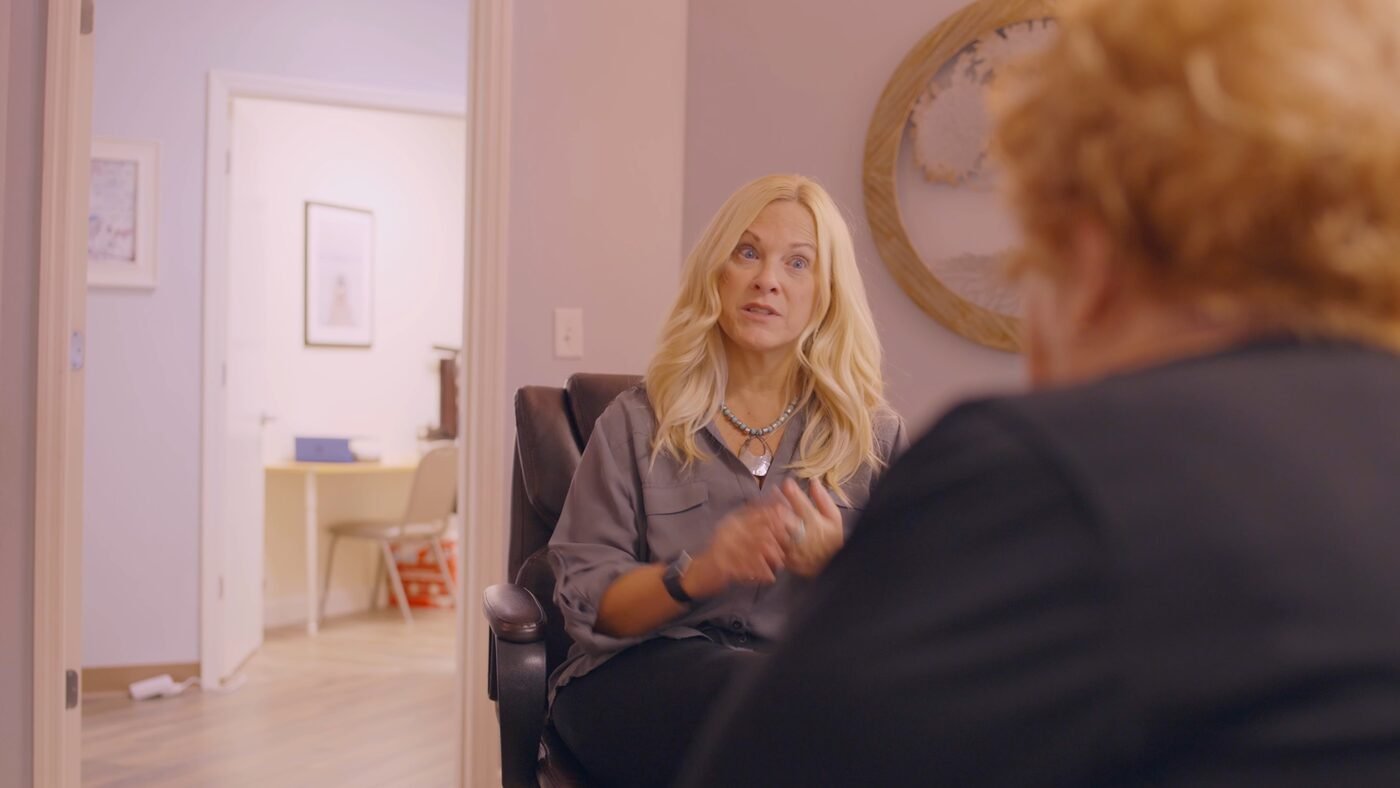
What Makes a Brand Video Actually Work
There's a short version and a long version of this answer. The short version: emotional resonance plus specific credibility. Both, at the same time, in the same video. The long version is everything that follows.
Emotional Resonance
People make purchasing decisions emotionally and justify them rationally. This isn't a cynical observation — it's just how human decision-making works. The brand videos that convert are the ones that make the viewer feel something first: recognition ("this company gets people like me"), aspiration ("I want what their customers have"), trust ("these are the kind of people I'd want working on my business"), or inspiration ("this mission matters, and I want to be part of it"). If a viewer watches your brand video and feels nothing, the logical case for your service has nowhere to land.
Emotional resonance in video comes from specificity. A generic brand narrative — "we're passionate about helping businesses succeed" — produces exactly zero emotional response because there's nothing specific enough to latch onto. But a founder talking about the moment they realized their industry was failing its customers, naming the specific problem and the specific person it hurt, in a specific place — that creates resonance. I've shot brand videos where a single sentence from the owner produced more authentic emotion than anything the scriptwriter planned, simply because it was specific and true.
Specific Credibility
Credibility is what keeps emotional resonance from feeling like manipulation. Viewers in 2026 are sophisticated. They've seen enough slick brand videos to be suspicious of production quality that outpaces substance. The credibility signals that work are the ones that can't be faked: real faces, real workspaces, real numbers, real outcomes. The company that's been in business for 17 years and shows you their original workshop. The team that's visibly expert at what they do. The customer result that's stated with a specific dollar amount or timeframe. These signals make the emotion trustworthy.
"People don't buy what you do; they buy why you do it. And what you do simply proves what you believe."
The Production Variables That Matter Most
I want to push back slightly on the idea that production quality is the primary driver of brand video effectiveness. It matters — but it matters less than most people think, and it matters in different ways than most people assume. What matters most, in order:
- The story itself — the clarity and authenticity of the narrative. No amount of production quality rescues a story that isn't real.
- The audio — clean, clear, professional audio. Bad audio destroys credibility faster than anything else. Viewers will forgive mediocre visuals before they forgive audio that's hard to hear or distracting.
- The edit and pacing — a well-paced edit that never lets the viewer's attention drift. This is a skill that takes years to develop and makes an enormous difference.
- Visual quality and composition — beautiful cinematography elevates a great story, but it can't substitute for one.
- Color and music — the emotional tone that the image and sound together create. These are the final layer, not the foundation.
I tell every client we work with on brand video production in Florida: the most important thing you can do before the shoot day isn't to pick the right location or select the right wardrobe. It's to spend real time thinking about what you actually believe about your work, your customers, and why your business is here. The camera captures authenticity. It also captures the absence of it.
Build Your Brand Story Framework
Before you can make a great brand video, you need a clear framework for the story you're telling. Not a script — a framework. The structure that guides the narrative without constraining the authenticity. One of the most useful exercises I do with clients before pre-production begins is identifying their origin story type, because it shapes everything from the questions we ask in on-camera interviews to the visual metaphors we build the edit around.
Use the tool below to identify your origin story type and get a tailored 5-part narrative framework with guidance on what to include in each section, sample questions to answer, and target lengths.
These frameworks aren't rigid scripts. They're prompts that help you surface the story you already have but may not have articulated clearly yet. I've used versions of these frameworks with clients from healthcare practices in Sanford to solar companies in Deltona, and every time the exercise reveals something the owner knew instinctively but had never put into words. That clarity is what the camera captures on shoot day — and it's what the viewer feels on the other side of the screen.
Your Story Is Worth Telling. Let's Tell It Right.
Book a free call. We'll dig into your brand story and map out a video that actually moves people.
Book My Free CallNo contracts · No pressure · Just a real conversation
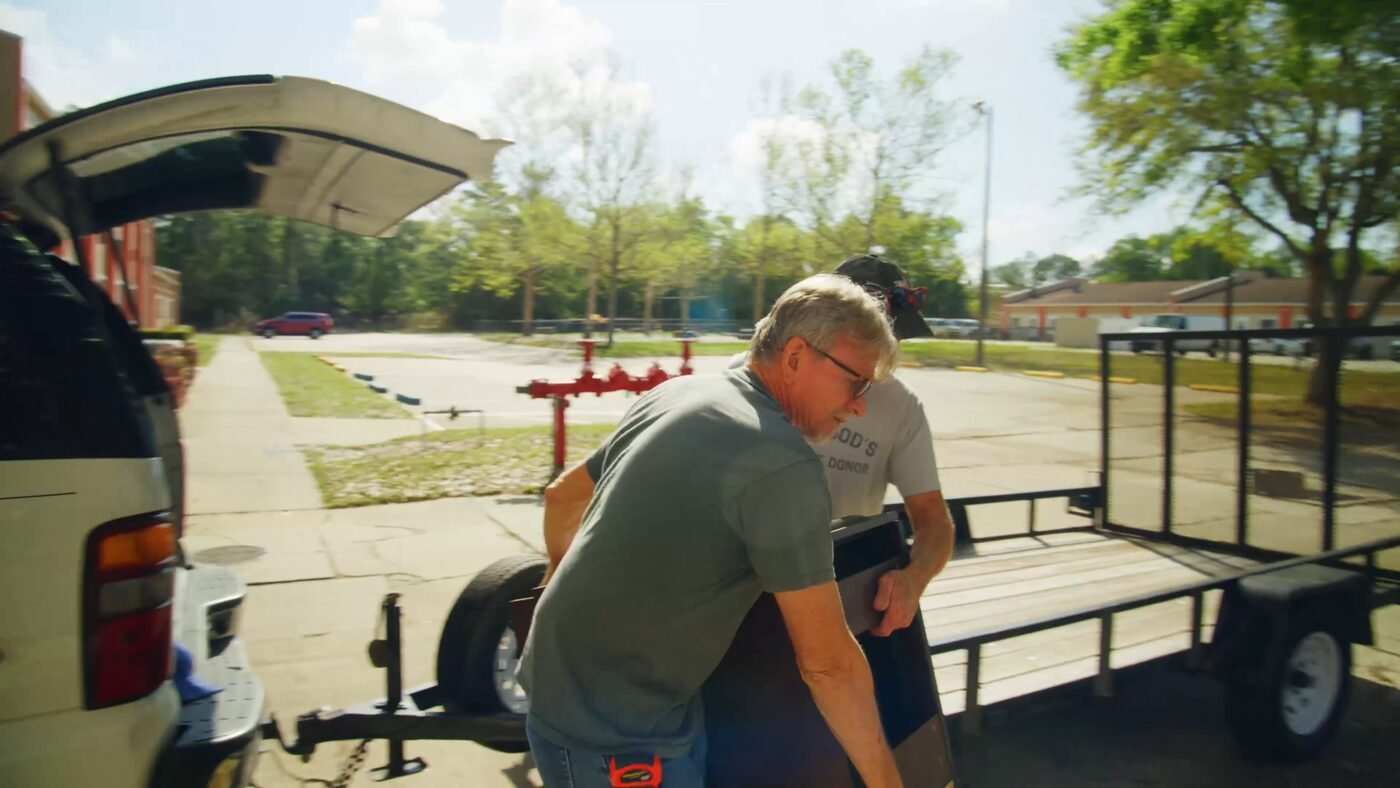
The Brand Video Production Process
Brand video production is different from other video formats in one important way: it requires more thinking before the camera ever comes out. The tactical production phases — shooting, editing, color grading, mixing — are the same. But the work that determines whether those phases produce something extraordinary happens in the planning. Here's how we approach it at Bright Valley Media.
Discovery and Story Development
This is the phase most production companies rush through or skip entirely. Before we know where to point the camera, we need to understand what story we're telling and why it matters. Discovery involves a deep conversation with the business owner: their origin, their mission, what makes their customers' lives better, what they believe about their work that their competitors don't believe. From that conversation, we develop a creative brief — the story framework, the visual direction, the emotional tone, the moments we need to capture.
For a standard brand video, this phase takes one to two weeks and might involve one or two conversations plus a site visit. For a larger flagship production, it might span three to four weeks with multiple stakeholder interviews. The investment in this phase pays dividends throughout the entire project. I've watched brand video projects go sideways because a production company picked up a camera before they understood the story. The result is a technically proficient video that says nothing true.
Pre-Production
Pre-production is where the creative brief becomes a shoot plan. This includes location scouting, scheduling, determining what B-roll is needed (the visual footage that supports the narrative — people working, spaces, details), preparing any interview questions or talking points for on-camera subjects, selecting music direction, and finalizing the shot list. The quality of pre-production determines how efficient and effective the shoot day is. A well-prepped shoot day of eight hours can produce more usable material than a poorly-prepped shoot of two days.
Production (Shoot Day)
For most brand videos, the shoot is one to two days. A single-day shoot for a small business brand video typically covers: the primary interview (owner or key team members on camera), B-roll of the team and workspace, any customer-facing moments or product demonstration shots, and environmental portraits. A two-day shoot allows for more locations, more people, more visual variety. The crew size depends on the budget tier — more on that in the investment section below.
Post-Production
Post-production for a brand video is where the story is actually told. The editor works from the creative brief, building the narrative structure from the raw interview material, then layering in B-roll, music, color grading, and sound design. A quality brand video edit takes 20–40 hours of work depending on the complexity of the footage and the number of revisions. Plan on two to three rounds of review — a rough cut, a picture lock, and a final delivery. Rushing the edit always shows in the final product.
Total timeline: From initial call to final delivery, a standard professional brand video takes 4–8 weeks. A flagship production with multiple shoot days and complex post-production can take 10–16 weeks. If a production company promises you a brand video in 10 days, ask what they're skipping.
Brand Video Investment Tiers
One of the questions I get most often — from businesses across Central Florida and beyond — is "what should a brand video cost?" The honest answer is: it depends on what you need it to accomplish and what you can justify investing against the returns. But that's not the most useful answer, so here's a more specific breakdown of what different budget levels actually deliver.
I want to be direct about something: the cheapest brand video is not necessarily the worst investment, and the most expensive one isn't necessarily the best. The right investment tier is the one that matches the scale of your business, the stakes of the story, and what you're going to do with the video once it's made. Use the tool below to understand what each tier realistically delivers.
A note on the Florida market specifically: brand video production costs here are generally 10–20% lower than comparable work in New York or Los Angeles, but the quality ceiling has risen significantly over the last five years. The talent, the equipment, and the creative capacity for genuinely world-class brand video work now exist in Central Florida. If you've been assuming you need to fly in a production company from another market to get a brand video worth putting on your homepage, that assumption is worth revisiting. There's real craft here. You just have to know where to look.
How to Deploy Your Brand Video
A brand video that lives only on the "About" page of your website is a waste of a good investment. The most effective brand videos are deployed strategically across multiple touchpoints in the buyer journey. Here's where they work and why.
Homepage Hero
The homepage is the highest-leverage placement for a brand video because it's where first impressions happen. A visitor who arrives from a Google search, a referral, or a social ad has about 8 seconds to decide whether they're going to stay or leave. A compelling brand video in the hero section — autoplay muted with controls, or a prominent play button — gives that visitor a reason to stop, watch, and orient to who you are before they've read a single line of copy. We've seen homepage brand videos reduce bounce rates by 20–35% for clients who've tracked the metric carefully.
YouTube Channel
YouTube is the world's second-largest search engine, and a brand video optimized for YouTube search can drive discovery for years. The key is not just uploading the video but treating it as a YouTube asset: a compelling thumbnail, a keyword-optimized title and description, timestamps in the description, and a call to action in both the video and the description. For brand video production in Florida, YouTube is an underused channel — most of your competitors are not doing this well, which means the opportunity is real.
Sales Process
This is the deployment strategy I find most underused and most powerful: sending a brand video as part of the follow-up sequence after a sales inquiry. A prospect who fills out your contact form gets an auto-responder that includes a link to your brand video. Before you ever have a phone call, they've watched 90 seconds of who you are, what you believe, and why your customers trust you. I've had clients tell me that prospects on their follow-up calls are different — warmer, more decisive, more likely to say "I've already seen your video and I'm pretty sure this is the right fit." That's what a well-deployed brand video does to a sales conversation.
Pitch Decks and Proposals
If your business involves formal proposals, RFP responses, or investor pitches, embedding your brand video is one of the highest-return things you can do with it. When a committee is reviewing five competing proposals, the one that includes a 90-second video of the founder explaining why this work matters to them occupies a completely different psychological position than the ones that are pure text and graphics. Proposals with embedded video get opened more, get responded to faster, and close at higher rates.
Social Media and Paid Ads
A brand video can be cut into shorter variants for social distribution. A 2-minute brand video typically yields: a 30-second teaser for Instagram and Facebook, a 60-second LinkedIn version, a 15-second highlight cut for Stories and YouTube pre-roll. This isn't just about getting more mileage out of the original investment — it's about maintaining consistent brand narrative across platforms where your audience spends time. Each cut reinforces the same story in a format appropriate to the platform.
How to Measure Brand Video ROI
This is where brand video gets complicated, and I want to be honest about it. Brand video ROI is harder to measure than direct-response advertising ROI. You can't always draw a clean line between a brand video view and a closed sale. What you can measure — and what you should measure — is a set of leading indicators that tell you whether the video is doing its job.
Direct Metrics to Track
- Homepage engagement: Time on page, scroll depth, and bounce rate before and after the video is live. A meaningful brand video typically increases average time on page by 60–90 seconds.
- Video completion rate: What percentage of viewers watch past the 50% mark? Past 75%? A completion rate above 40% on a 2-minute video means people are genuinely engaged with the story.
- Lead quality changes: Are inquiries from prospects who've seen the video better-qualified and more sales-ready? This is harder to track but one of the most meaningful ROI signals.
- Sales cycle length: Are deals closing faster with prospects who've engaged with the brand video? Many of our clients report shortened sales cycles of 20–40% after deploying a brand video in their sales sequence.
- Referral quality: Brand videos often improve referral conversion rates because they give happy customers a link they can share that tells the story better than they can in their own words.
"A great brand is a story that's never completely told. A brand is a metaphorical story that connects with something very deep — a fundamental appreciation of mythology."
A Realistic Return Expectation
Here's how I frame ROI for brand video with clients who want a realistic picture. If your average customer lifetime value is $5,000, and your brand video helps you close three additional clients per year that you would otherwise have lost to a competitor — that's $15,000 in incremental revenue from a one-time investment that continues working for three to five years. Against a $5,000–$10,000 production investment, that math is compelling. Against a $25,000 investment, you need higher stakes — either higher LTV clients, higher volume, or a market position where the brand differentiation is worth more than incremental closes.
The most honest thing I can tell you is this: the businesses I've seen get the best ROI from brand video production in Florida are the ones who were deliberate about deployment. They didn't just upload to YouTube and hope. They put it on their homepage, they sent it in their follow-up emails, they shared it in their proposals, and they measured what changed. The video was the asset. The deployment was the strategy. Both have to be right.
Our Approach at Bright Valley Media
I want to be transparent about how we do this work, because I think transparency is how you make a good hiring decision about a production company. Brand video production is not a commodity. The stories we tell with cameras are shaped by what the person behind the camera actually believes about storytelling, about businesses, and about the people they're filming. So let me tell you what we believe.
I started Bright Valley Media because I believe that most small businesses have a story worth telling that never gets told well. Not because the story isn't compelling — but because the people doing the video work were thinking about shots and schedules rather than narrative and meaning. I've spent ten years developing a process for getting to the real story quickly, building the trust that makes an owner speak on camera like they speak to their best friend, and then editing with the discipline to let the genuine moments breathe while cutting everything that doesn't serve the story. That's the core of what we do.
My faith matters to how I work. I believe every business, every person, every community has a story worth honoring — not just the profitable ones or the photogenic ones. I work hardest on the projects where the mission is real, where the owner has built something that genuinely serves people, and where the video can help more of the right people find something they need. That's not a marketing statement. It's the reason I still love this work after 1,000+ videos.
Practically, what that means for brand video production: we take discovery seriously. We won't start shooting until we know the story. We ask better questions than most production companies because we've been asking them for a decade and we've learned which questions produce the material that matters. We edit with the viewer in mind, not just the client — because a video that the client loves but the viewer clicks away from in 15 seconds hasn't done its job. And we're honest about what we can and can't do at different budget levels. Understanding what you're paying for is part of making a good decision.
Brand Video in Central Florida: What's Different Here
I've worked with businesses from Daytona Beach to Kissimmee, from the small faith-driven nonprofits in DeLand to the fast-growing SaaS companies in Lake Mary. The Central Florida market has a character to it that shapes how brand video should be approached here — and understanding that character is part of why hiring a local production company matters for this type of work.
Florida businesses operate in a market where trust is often the deciding factor. With so much population turnover — people relocating here from other states, businesses entering from outside markets — the established trust networks that exist in more stable markets aren't always in place. A brand video that quickly and credibly establishes who you are and why you've been doing this for 15 years in Deltona or Sanford carries more weight here than in a market where everyone already knows you. The "I'm local, I've been here, I'm not going anywhere" narrative is genuinely differentiating in Central Florida, and brand video is one of the best tools for telling it.
The visual environment here is also underused. Central Florida has beautiful natural light almost year-round, genuine architectural variety, and industries that photograph beautifully — from the craft manufacturing in the industrial parks off I-4 to the healthcare facilities in Lake Mary to the outdoor spaces surrounding Lake Monroe in Sanford. Production companies that understand how to use this environment can create brand videos that feel grounded and specific to this place in a way that generic video production never achieves. The videos we make here should feel like they couldn't have been made anywhere else.
If you're a business owner in Central Florida looking at brand video production, the most important thing I'd tell you is: don't let the geography of the production company matter less than the chemistry. The production company you choose to tell your brand story is going to be in your space, with your people, hearing things you don't share publicly. That relationship requires trust. Knowing how to choose the right videographer for brand work specifically — not just any video project — is worth the time to figure out before you sign anything.
A final thought: The brand videos I'm most proud of — after more than a decade of this work — are not the technically most impressive ones. They're the ones where the owner watched the final cut and said "that's us. That's exactly what we've been trying to say." That moment is what I'm working toward every time. If you're ready for it, let's talk.