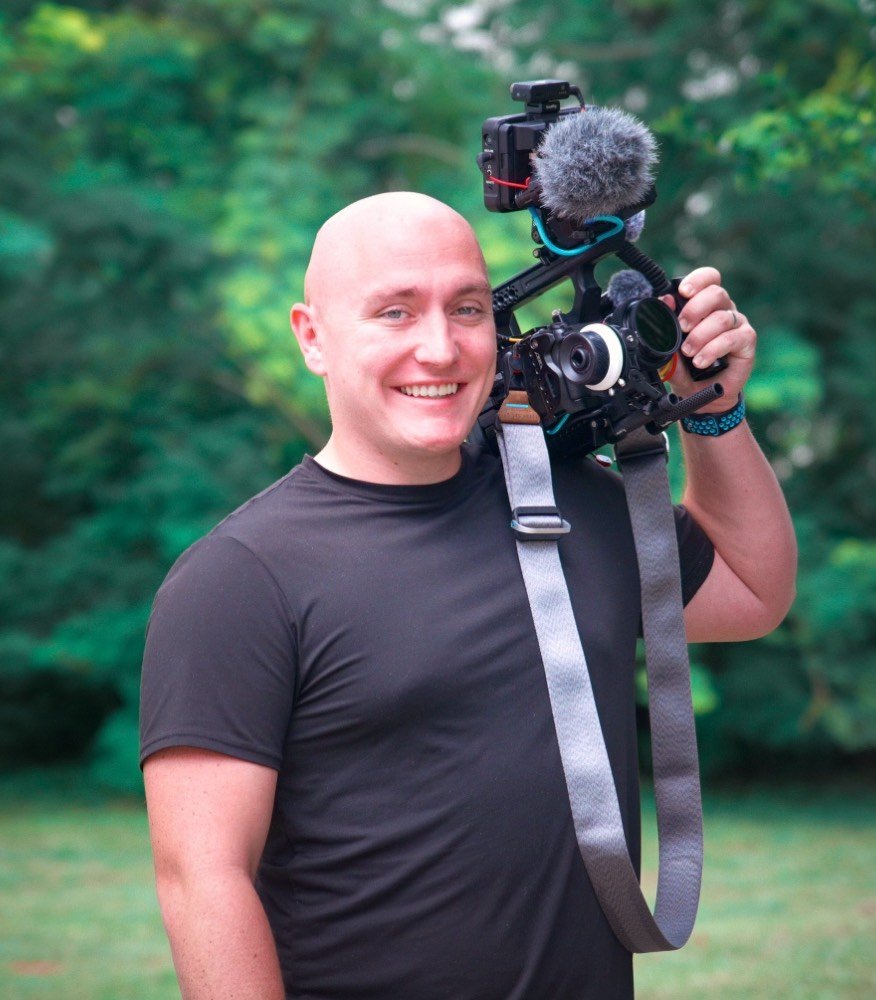
I have spent ten years as a pastor and a decade behind the camera. I speak both languages: the language of ministry and the language of film.
When I walk into your church or your mission field, I am not a vendor learning your world from scratch. I already live in it. That is why the people in our films open up, and why the films move the people who watch them.
"Bright Valley Media checks all the boxes. Nathan directed, edited, and recorded a music video for me, which now has over 11k views! We filmed in a day, and he had an edited final product sent to me within 24 hours."
Hudson Tucker · Google review
"Nathan does an excellent job of creating a variety of promotional videos with little to no input from the client. He has excellent judgement on what will work with the target audience and one of his videos he created for us has had over 500K views on Facebook."
Michelle Wyatt · Google review
"We hired Bright Valley Media to shoot five videos to our social media each month. The results have been incredible!! The videos are fantastic and very professional! After a year we have noticed that we are noticeably busier and our sales have increased considerably!"
Found & Cherished · Google review
"I got exactly what I needed. I needed a professional video made and I needed it turned around in 24 hours. Nathan scheduled me in immediately. I traveled up to Deltona to shoot at his studio and had the video in hand the next day. Amazing."
Jon Cobb · Google review
A pastor is behind the camera. You never have to explain your world to a vendor who has not lived in it.
We find the human testimony underneath the talking points. That is the part that moves people.
A degree in ministry, and free time spent reading systematic theology and apologetics. Your message is in hands that take it seriously.
Deliverables planned for donor nights, church screenings, campaign pages, and social, not just one long film.
Ministry Promotion Video
Mini Documentary
Mini Documentary
Music Video
Your goal, your audience, your timeline, and a rough budget. No pitch deck.
Scope, filming plan, deliverables, schedule, and an actual number. Not a range.
Interviews and documentary footage, directed with sensitivity to your people.
Structured review rounds, final masters, trailers, and campaign ready exports.
A two day shoot built around a single testimony. A 5 to 8 minute film, plus a 60 second cutdown for social.
A week of filming on cinema camera and audio with licensed drone work. A 20 minute film, a 60 second trailer, and campaign ready cutdowns.
Two months of filming with crew, scouting, and full scripting. A 60 minute feature, three trailers, a screening master, captions, and social cutdowns.
Every project is scoped to the story. Tell me yours and I will give you a real number.
Neuroscientist Paul Zak found that character driven films trigger oxytocin, the brain chemical behind trust and empathy, and that viewers who produced it gave measurably more afterward. Nobody trusts a pitch. People trust what they watch happen to real people.1
In a landmark giving study, donors shown one child's story gave more than twice as much as donors shown the statistics. Adding the statistics to her story actually lowered the gifts. Hearts respond to a face, not a spreadsheet.2
Stanford research finds that stories are remembered up to 22 times more than facts alone. The testimonies God is writing through your ministry deserve better than a bullet point in an annual report. A film keeps them moving people for decades.3
Tell me a little about your ministry and I will follow up personally as soon as I can.
Prefer to talk right now? Call Nathan directly at (321) 578-8477
Zak's lab measured oxytocin in viewers of character driven films. The more oxytocin a viewer produced, the more they donated afterward.
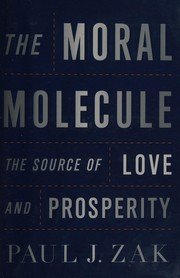
Zak, P. "Why Your Brain Loves Good Storytelling." Harvard Business Review, 2014. Research also published in his book The Moral Molecule.
Donors who read about Rokia, a seven year old from Mali, gave an average of $2.38. Donors shown hunger statistics gave $1.14. Adding the statistics to her story lowered the gifts.
Small, Loewenstein and Slovic. "Sympathy and Callousness." Organizational Behavior and Human Decision Processes, 2007.
Professor Jennifer Aaker teaches that stories are remembered up to 22 times more than facts alone.
Aaker, J. "Harnessing the Power of Stories." Stanford Graduate School of Business.